Asian rice export prices rise as tight supply and El Niño risks support the market
Indian rice export prices reached their highest level in nearly a year, while Vietnamese and Thai offers also increased. Tightening availability, steady African demand and concern over El Niño are supporting prices across Asia.
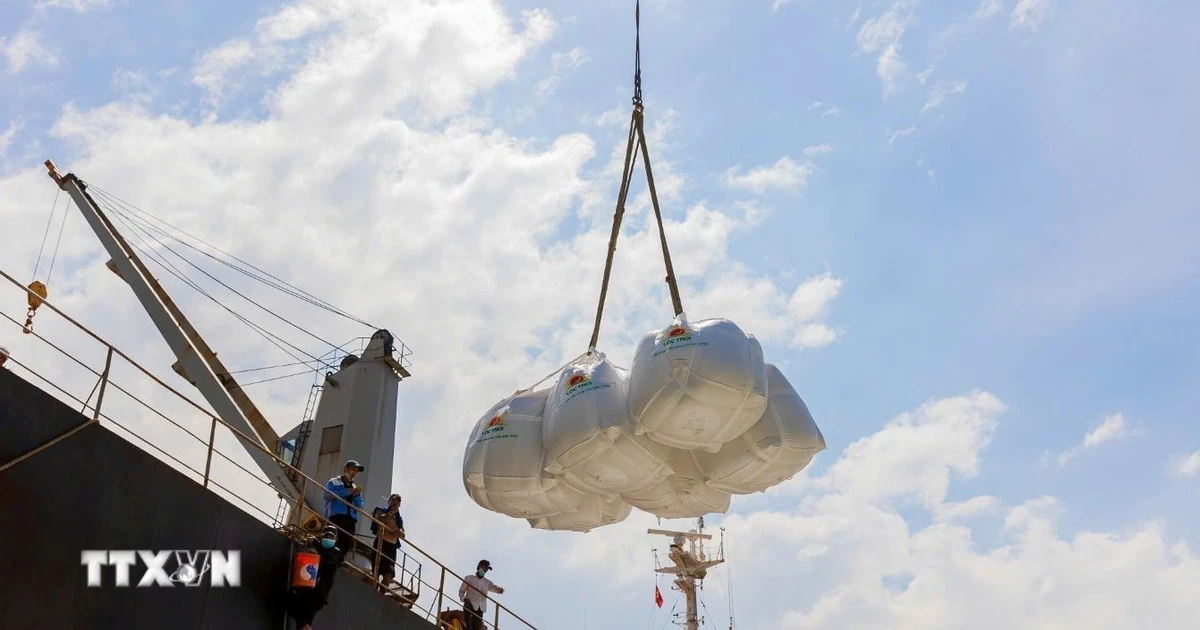
Indian prices approach a one-year high
Rice export prices increased across several major Asian origins as traders assessed tighter availability and the potential impact of El Niño on future crops. VietnamPlus reported that Indian 5% broken parboiled rice was offered at $362-368 per tonne this week, up from $358-364 per tonne a week earlier. Indian 5% broken white rice was quoted at $359-364 per tonne. The advance took Indian export rates to their highest level in nearly a year.
A New Delhi trader cited by VietnamPlus said demand from African countries, including Benin, remained steady and helped support Indian prices. India’s rice exports increased 5% year on year in the first half of 2026. Higher shipments of non-basmati rice offset a decline in basmati exports after the US-Israeli war with Iran disrupted trade with key Gulf markets. The figures indicate that India continued to expand total shipments despite weaker conditions in a premium segment and disruption along an important regional trade corridor.
Vietnam and Thailand raise offers
Vietnamese 5% broken rice was offered at $435-455 per tonne, compared with $430-450 per tonne the previous week. A trader in Ho Chi Minh City told VietnamPlus that heatwaves in several parts of the world had intensified concern about the adverse effects of El Niño on global food supplies, including rice. In the Mekong Delta, farmers had harvested about 442,000 hectares of the 1.243 million-hectare summer-autumn crop. Average yields were around 6.168 tonnes per hectare, and production was estimated at 2.72 million tonnes of paddy. Planting for the 2026 autumn-winter crop reached 256,000 hectares, close to 40% of the plan.
Thai 5% broken rice was quoted at $450-455 per tonne, against a broader range of about $435-455 per tonne a week earlier. A Bangkok trader said Malaysia and the Philippines were seeking Thai rice after stepping up purchases in anticipation of El Niño. Thai supply was declining slightly, while paddy output could fall by 1.5 million tonnes this year. Thailand was forecast to export 7 million tonnes of rice in 2026. These projections leave the market sensitive to any further production losses or accelerated buying by Southeast Asian importers.
Bangladesh secures Vietnamese parboiled rice
Bangladesh approved the import of 100,000 tonnes of Vietnamese parboiled rice at $416 per tonne under a government-to-government agreement. The purchase is intended to curb rising domestic rice prices and provides a concrete example of importers using state deals to strengthen availability. The agreed price is below Vietnam’s reported range for 5% broken rice, although the products and contract terms are not directly comparable.
The regional market is therefore being supported by several overlapping factors: limited nearby supply, stable demand from Africa, additional buying in Southeast Asia and weather risks surrounding the next harvests. India remains the lowest-priced of the three major origins covered, preserving an advantage in price-sensitive markets. Vietnam and Thailand are trading at substantially higher levels, but Bangladesh’s purchase and demand from Malaysia and the Philippines show that buyers are still prepared to secure cargoes. For exporters, the main question is whether El Niño concerns translate into measurable crop losses; for importers, delaying purchases carries a greater price risk while supply expectations are being revised downward.