Asian demand and firmer prices offer Vietnam’s rice exporters a late-2026 lift
Vietnamese rice exporters are entering the closing months of 2026 with support from a recovery in export prices that began in July. Thuong Truong reports stronger demand in the Philippines, China and several other markets, although no shipment forecasts or price figures were provided.
Export conditions improve after July
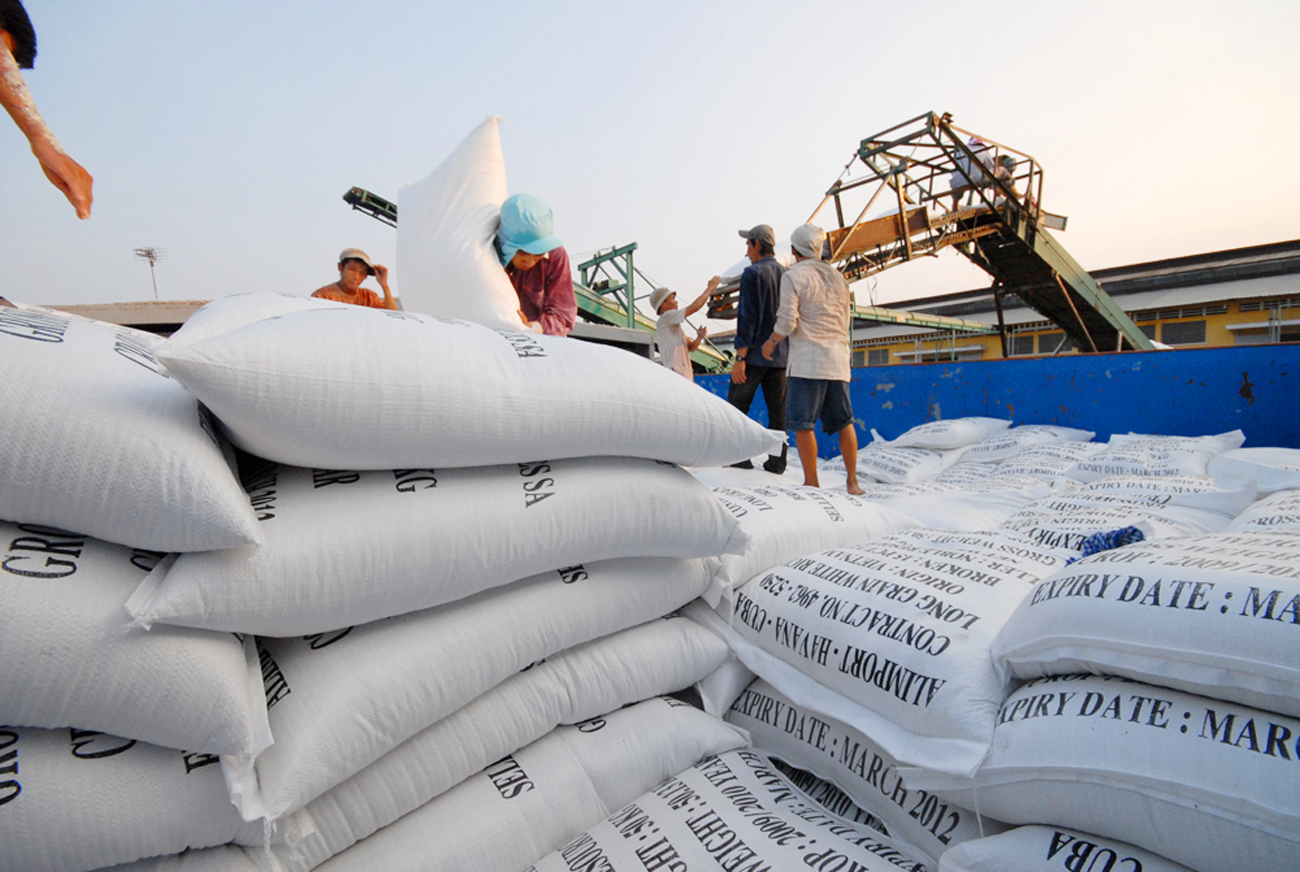
Vietnam’s rice industry is approaching the final months of 2026 with a more supportive export environment, as prices recover and demand strengthens in several major markets. Thuong Truong reports that the improvement in export prices began in July, creating an opportunity for the sector to accelerate shipments before the end of the year.
The publication describes the outlook as a combination of challenges and opportunities but provides no specific export-price levels, shipment volumes or full-year forecasts. That limits any assessment of how large the recovery may become. Still, the timing matters for exporters holding supplies, processors planning milling schedules and traders negotiating contracts for delivery during the remainder of 2026.
Philippines and China drive the opportunity
Demand from the Philippines, China and several other markets is central to the improving outlook. Stronger buying interest from these destinations could provide Vietnamese suppliers with additional sales opportunities and support competition among exporters for available rice. The source does not specify which rice grades are attracting the additional demand or whether purchases involve new tenders, private contracts or previously delayed orders.
The absence of detailed figures also leaves several commercial questions open, including the scale and duration of demand, expected delivery periods and the price levels acceptable to buyers. For importers, a sustained recovery in Vietnamese quotations could affect procurement timing and negotiations. For exporters, the opportunity will depend on converting reported demand into signed contracts while maintaining sufficient supplies for scheduled deliveries.
Late-year performance depends on execution
The recovery since July gives Vietnam’s rice sector a stronger starting point for the closing months of the year, but higher prices alone do not guarantee greater shipment volumes. Export performance will also depend on the availability of marketable rice, processing capacity, contract terms and buyers’ willingness to remain active as quotations change. No figures on inventories, harvest conditions or operating capacity were included in the source material.
Producers and processors may benefit if firmer export prices pass through the domestic supply chain, while traders could gain from a broader pool of active buyers. The same movement could raise acquisition costs for importers if demand continues to improve. With the Philippines and China identified as important sources of demand, their purchasing activity will be a key indicator for Vietnam’s rice trade during the remainder of 2026. Confirmed contract volumes and actual customs shipments will ultimately show whether the improved market sentiment produces a material late-year increase.