BRRI pilot study finds inorganic arsenic above Codex limit in 18% of Bangladeshi rice samples
A pilot study at the Bangladesh Rice Research Institute found inorganic arsenic above the Codex ceiling of 0.2 mg/kg in 19 of 104 commercial rice samples. Cadmium, lead and residues of 22 screened pesticides stayed below permitted limits. Bangladesh produced 46 million tonnes of rice in 2024-25 and ranks third globally.
Nearly a fifth of samples above the Codex arsenic ceiling
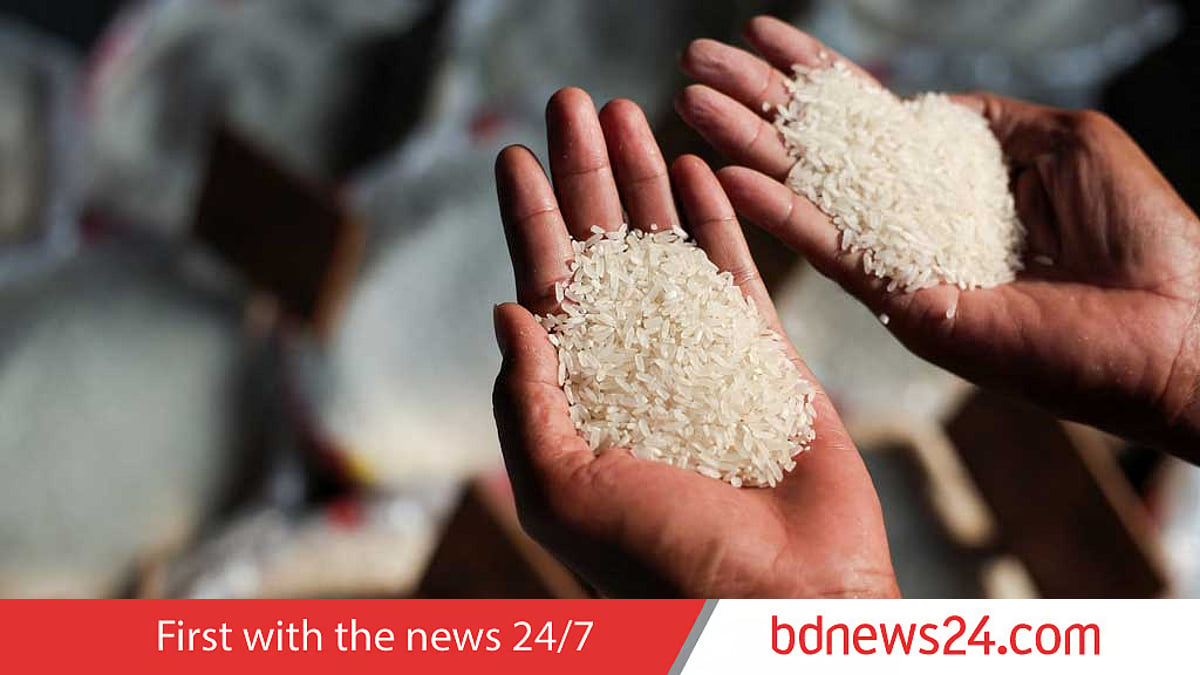
A pilot study at the Rice Analytical Laboratory (RAL), part of the Crop Quality and Nutrition Division of the Bangladesh Rice Research Institute (BRRI), found inorganic arsenic above the international maximum in 19 of 104 commercial rice samples, or 18 percent, bdnews24.com reported. In the remaining 82 percent of samples, arsenic stayed within the limit.
Researchers collected the 104 samples from 17 markets across the country's eight divisions and tested them for cadmium, lead and residues of 22 selected pesticides, including insecticides, herbicides and fungicides used in rice cultivation. Under international food standards, rice is considered within tolerable limits at up to 0.2 mg of arsenic, 0.4 mg of cadmium and 0.2 mg of lead per kilogram.
Cadmium, lead and pesticide residues were below permitted limits in the samples. Habibul Bari Sajib, a member of the research team and quality manager at RAL, called that result "quite encouraging". On arsenic he said: "Some samples exceeded the international limit for inorganic arsenic, but there is no need for panic; what is needed is regular monitoring and more extensive research."
The work was carried out in the 2025-26 financial year and the findings are awaiting publication in an international peer-reviewed paper, so the team is not releasing sample-by-sample concentrations. Habibul Bari described the exercise as a pilot study that cannot support final conclusions "about rice from all markets, all rice varieties, production areas and seasons in Bangladesh".
Groundwater irrigation as the entry point
Arsenic occurs naturally in soil and groundwater in parts of Bangladesh, and irrigation can carry it into paddy fields, where rice plants absorb it from soil and water. Prof SM Imamul Huq, a retired teacher at Dhaka University's Department of Soil, Water and Environment, said prolonged consumption of excessive arsenic through food can be harmful, and called for continued research and greater awareness around arsenic in paddy and rice.
Concentrations are not uniform across the grain. Heavy metals can occur at relatively higher levels in rice roots and straw, and the husk carries more than the edible kernel, according to the researchers. Risk to an individual depends on the contaminant level, daily intake, years of consumption, body weight and exposure to the same contaminant through water and other foods. Screening indicators such as the target hazard quotient, hazard index and target cancer risk do not, on their own, establish that illness or cancer will follow.
Output volume and daily intake raise the stakes
Bangladesh ranks third globally in rice production and produced 46 million tonnes in the 2024-25 financial year. Average daily rice consumption is 328.9 g per person, according to the Bangladesh Bureau of Statistics' Household Income and Expenditure Survey. That is why BRRI researchers treat regular monitoring of inorganic arsenic as a priority, while stating there is no reason to stop eating rice or cut intake on the basis of a 104-sample pilot.
Bangladesh Food Safety Authority Chairman Md Shafiqul Islam said work was under way to expand food safety activity and public awareness of contaminants that remain below tolerable limits, adding that enforcement alone cannot deliver food safety. His authority is coordinating with departments and ministries including agriculture and livestock, with monitoring also covering excessive pesticide use on vegetables and fruit, antibiotic use in livestock and poultry, and the sale of crops before the prescribed waiting period after pesticide application.
Milling, varieties and the next round of testing
BRRI has set out the next steps: a larger national survey, regular market monitoring, region- and season-specific testing, and identification of the sources of rice with comparatively higher arsenic. Further research is also to cover safer irrigation, rice varieties that absorb less arsenic and suitable processing technologies.
Milling depth carries a separate trade-off. A rice kernel consists of 20 percent husk, 8-12 percent bran and 68-72 percent white or milled rice, according to Bangladesh Agricultural University food engineering and technology professor Md Abdul Alim, with the outer layers holding the greatest amounts of protein, fat, vitamins and minerals. BRRI's analysis of brown rice and 5 percent and 10 percent polished BRRI dhan28, in parboiled and non-parboiled forms, found protein, fat and vitamins fell rapidly as polishing increased, while only carbohydrate rose.
BRRI has so far developed 127 high-yielding modern rice varieties — 117 inbred and 10 hybrid. The Bangladesh Institute of Nuclear Agriculture has released 25 and Bangladesh Agricultural University three. A Food Planning and Monitoring Unit survey in the 18 districts that produce the most rice identified BRRI dhan28, BRRI dhan29, Miniket, Nazirshail and Swarna as the dominant market brands.