Armenian farmers block highway as tomato sales to Russia stall
Farmers in Armenia’s Ararat region temporarily blocked the Yerevan–Yerask highway after disruptions to Russian sales left tomatoes without buyers. Processing plants are refusing local produce because they doubt they can export the finished products, contributing to oversupply on Armenia’s domestic market.
Growers confront a market without buyers
Farmers in Armenia’s southwestern Ararat region temporarily blocked the internationally important Yerevan–Yerask highway, demanding government action over difficulties selling their tomato harvest. The protest followed disruptions to shipments to Russia, a key destination for Armenian agricultural products.
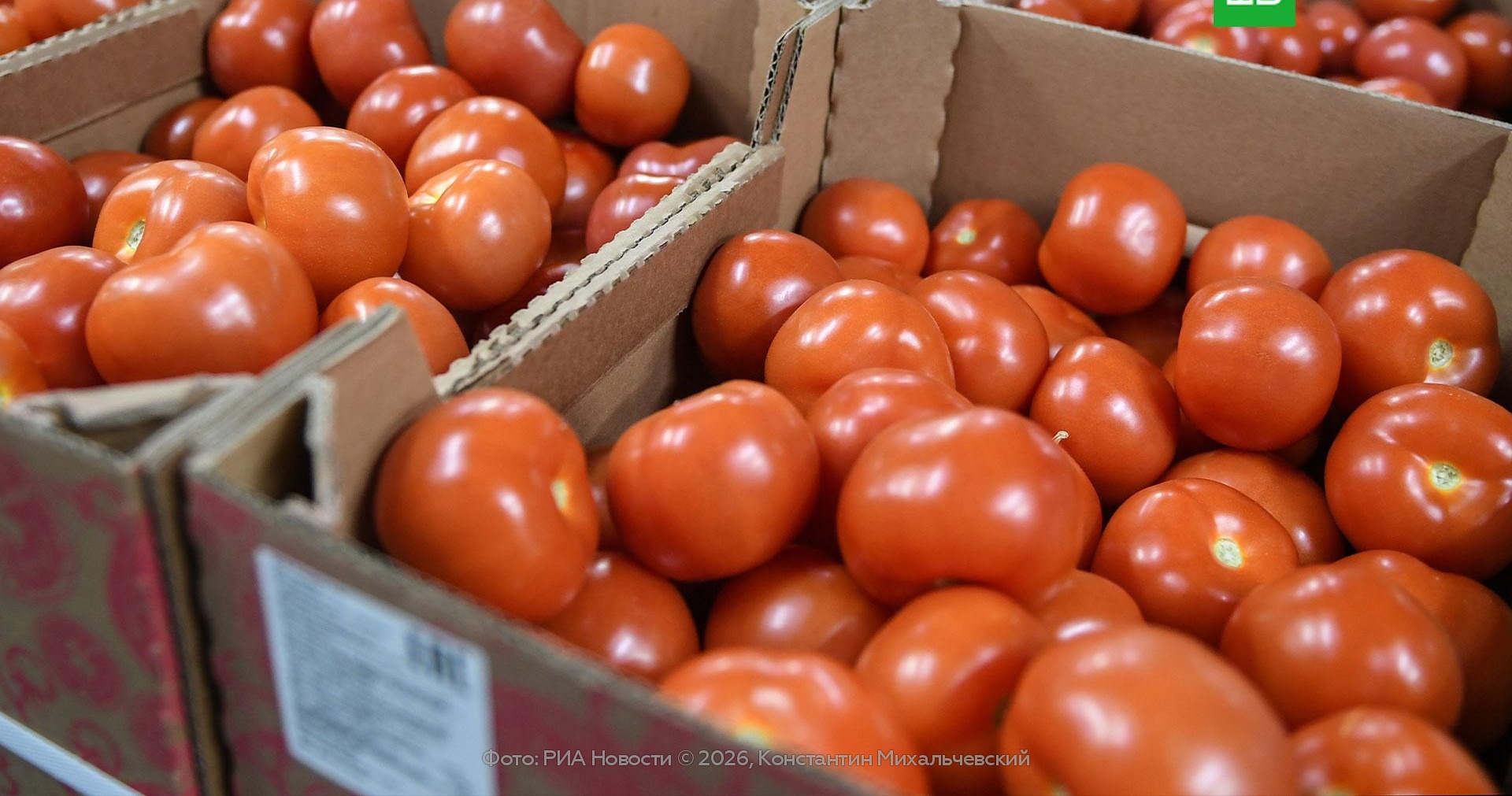
Participants told NEWS.am, as reported by NTV, that some Armenian producers had lost the ability to send their goods to Russia. Processing plants subsequently refused to purchase locally grown tomatoes because they were uncertain whether products made from the crop could be exported. The loss of both the external sales channel and demand from processors has contributed to oversupply in Armenia’s domestic market.
Farmer Artak Harutyunyan said he had 60 tonnes of tomatoes intended for factories but did not know what to do with them. According to his account, processors argued that buying the tomatoes made little commercial sense if they could not subsequently export their output. His situation illustrates the immediate exposure of growers harvesting perishable crops when industrial buyers suspend procurement.
Restrictions extend beyond tomatoes
The disruption developed after Russia’s Federal Service for Veterinary and Phytosanitary Surveillance, Rosselkhoznadzor, restricted imports of several categories of Armenian goods in May and June, citing detected violations. NTV reported that the affected products included vegetables, fruit, alcohol, fish and mineral water.
The measures have consequences beyond direct shipments of fresh tomatoes. Armenian processors also depend on access to export markets when deciding how much raw agricultural material to purchase. If factories cannot reliably sell processed output abroad, they have less incentive to accept tomatoes from farmers, transferring the pressure back through the supply chain during the harvest period.
For growers, domestic oversupply creates a particularly difficult problem because tomatoes cannot be stored indefinitely while market access is negotiated. With processors withdrawing and some exporters unable to use the Russian channel, farmers face fewer outlets for volumes already harvested or approaching maturity. No alternative destination, purchasing mechanism or compensation arrangement was identified in the available reports.
Road reopened after police talks
The protesters said Armenian Economy Minister Gevorg Papoyan had previously promised to resolve sales problems affecting cucumbers and tomatoes, but they maintained that the situation had not changed. Their action placed the issue on the Yerevan–Yerask highway, a route of international significance that also leads toward Iran.
After negotiations with police, the farmers agreed to reopen the road. They nevertheless warned that they could take more radical steps if the authorities failed to find a solution. The reports did not specify what further action was under consideration or provide a timetable for government intervention.
The dispute leaves producers, processors and exporters waiting for clarity over Russian market access. Until factories see a viable outlet for their products, restoring purchases from local farms may remain difficult. For the Ararat region’s tomato growers, the immediate question is whether a buyer can be found before the commercial value of the harvest deteriorates.