Argentine garlic growers swing to a 68.7% loss as Brazil reopens to Chinese supply
The Sociedad Rural del Valle de Uco has published the first edition of its Índice Rural Uco, and the opening report shows a modelled San Carlos garlic hectare moving from profit in 2022-2024 to an after-tax profitability of -68.7% in 2025. Revenue of 8,901,000 pesos per hectare was set against roughly 14.3 million in costs. The report ties the collapse to Brazil partially lifting antidumping measures on Chinese garlic.
From thin profits to a 68.7% loss
The Sociedad Rural del Valle de Uco has released the first edition of the Índice Rural Uco (IRU), an indicator built to measure what is actually left for the primary producer in the main crops of this Mendoza region once costs and taxes are accounted for. The opening report is devoted to garlic and records a sharp break with recent years: the modelled producer made money between 2022 and 2024, with results that grew tighter each season, and then posted a profitability of -68.7% in 2025, according to the report published by bichosdecampo.com.
The index does not track output volumes, input prices or agronomic variables. It follows the producer's bottom line, first before tax and then after the tax burden is deducted. The methodology, prepared by economist Ernesto O'Connor, uses 2022 as the base year with a value of 100 and expresses later years against that benchmark, drawing on surveys of producers and specialists in each chain. The IRU is designed to track three crops typical of the Valle de Uco separately: garlic, grapevines and oregano.
8,901,000 pesos of revenue against 14.3 million in costs
The garlic report is built on a mid-sized grower in San Carlos farming one hectare of purple garlic on rented land under drip irrigation. Revenue is estimated from each year's yields and prices, while costs are calculated at market values. For 2025 the model puts revenue at 8,901,000 pesos per hectare against total costs of roughly 14.3 million, leaving a pre-tax loss of more than 5.4 million pesos per hectare and a pre-tax profitability of -37.8% after three consecutive years in positive territory.
Taxes turned a bad year into a far worse one. Between 2022 and 2024 the average share of taxes and levies in the producer's return was 52.8%, peaking at 65.3% in 2024. In 2025 the calculated tax burden exceeded the negative pre-tax result outright, taking the after-tax figure to -68.71%.
Brazil's antidumping shift on Chinese garlic
The report links the collapse directly to conditions in Argentina's main export market. According to the Sociedad Rural del Valle de Uco, Brazil partially lifted antidumping measures against Chinese garlic, which eased the entry of that product and put pressure on prices for Argentine garlic. Post-harvest quality problems caused by rain compounded the damage.
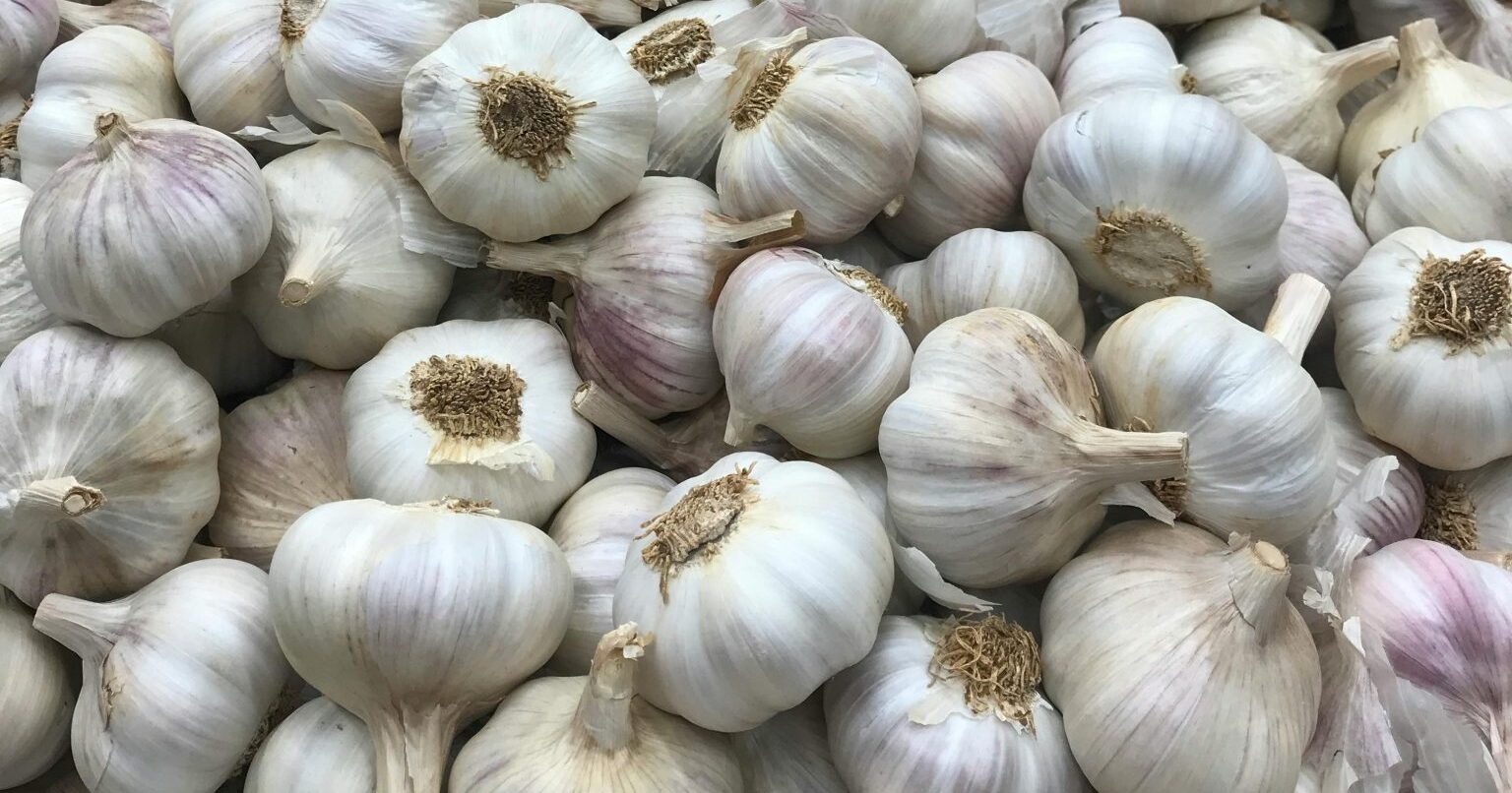
The exposure is highly concentrated. Mendoza accounts for close to 80% of the garlic grown and exported in Argentina, and between 75% and 80% of Argentine garlic exports are shipped to Brazil.
Storage costs hit the payment chain
Garlic is harvested in November and sold dry from January or February, so part of the crop must be kept in cold storage or held for months. The report singles out that conservation cost as a significant drag in 2025; according to the Sociedad Rural del Valle de Uco it generated problems in the producers' payment chain.
The garlic numbers land alongside a broader deterioration in Argentina's regional economies. Coninagro's traffic-light indicator recorded two further regional economies worsening, with nine activities now in the critical zone.
The Sociedad Rural del Valle de Uco presented the IRU as a tool to cover an information gap on the profitability of the region's primary activities. Further editions are to cover grapevines and oregano.