Argentina’s yerba mate exports rise 5.72% as domestic demand weakens
Argentina exported 25.90 million kilograms of yerba mate in the first half, up 5.72% from the same period a year earlier. Stronger foreign sales offset a slight decline in domestic commercialization and a 7% fall in green-leaf deliveries to drying facilities in June.
June shipments lift first-half exports
Argentina’s yerba mate exports increased by 5.72% in the first half of the year, providing support to an industry facing stagnant domestic demand and lower deliveries of green leaf to drying facilities. According to data from the National Yerba Mate Institute, or INYM, the country exported 25,897,279 kilograms during the six-month period, compared with 24,495,147 kilograms in the corresponding period a year earlier.
June accounted for 7,040,971 kilograms of shipments abroad, the third-highest monthly volume in the historical series. The strong monthly result strengthened expectations that foreign sales could approach or exceed the previous period’s record of 58 million kilograms. Martín Brites, a representative of the Productores de Yerba Mate Santo Pipó cooperative in Misiones, told ANSOL that the sector was on course to repeat or surpass that export record.
Cooperative brands are playing a prominent role in the expansion, including Piporé from Misiones and Playadito from Corrientes, El Diario de la Región reported. The publication linked growing international interest partly to increased demand for natural infusions associated with health and well-being after the pandemic. The global visibility of mate consumption through athletes such as Lionel Messi and racing driver Franco Colapinto has also helped introduce the product to new consumers.
Domestic volumes remain below the previous period
The export gains contrast with a softer home market. Yerba mate volumes supplied to Argentine retail shelves reached 23,458,938 kilograms in June, one of the highest June readings of the past five years. Even so, domestic commercialization totaled 137,336,991 kilograms between January and June, below the 138,279,554 kilograms recorded in the comparable earlier period.
Combined domestic and export commercialization reached 163,234,270 kilograms in the first half. That was only about half a million kilograms above the previous result, with the entire net improvement coming from overseas shipments. Export growth therefore prevented declining domestic volumes from pulling total commercialization below the earlier level.
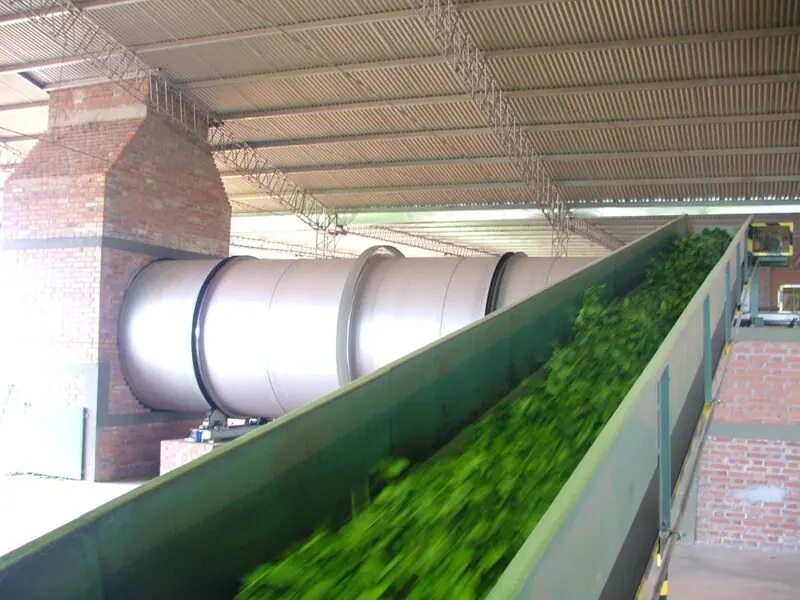
Conditions at the production end of the chain also point to adjustment. Green-leaf deliveries to drying facilities fell by 7% in June to 142,216,329 kilograms, approximately 32 million kilograms less than in the preceding cycle, according to the source. The decline follows a period of local overproduction that, according to Brites, has left available supply above domestic consumption.
Industry explores new products and markets
Exporters and cooperatives are responding by looking beyond the traditional mate-and-straw format. Brites said the industry sees opportunities in soluble products, canned presentations and other infusions. These formats could broaden the customer base in markets where consumers are unfamiliar with traditional preparation and create additional outlets for Argentina’s excess green-leaf supply.
The Santo Pipó cooperative is among the businesses developing diversified green-leaf derivatives. It says Argentina’s industry has the technical capacity to innovate, but needs institutional support to establish new markets. Brites called for national or provincial authorities to help promote yerba mate at international fairs and exhibitions, covering both its commercial uses and its perceived health properties. For producers, processors and exporters, the central issue is whether the current rise in shipments can become a durable outlet rather than a temporary counterweight to weak domestic demand.