Argentina Keeps 2026/27 Corn Planting Forecast at 8.4 Million Hectares
Argentina’s 2026/27 corn planting area is forecast at 8.4 million hectares, unchanged from the previous season. The Buenos Aires Grains Exchange estimate points to stable acreage, while production and export availability will depend on yields and the area ultimately harvested.
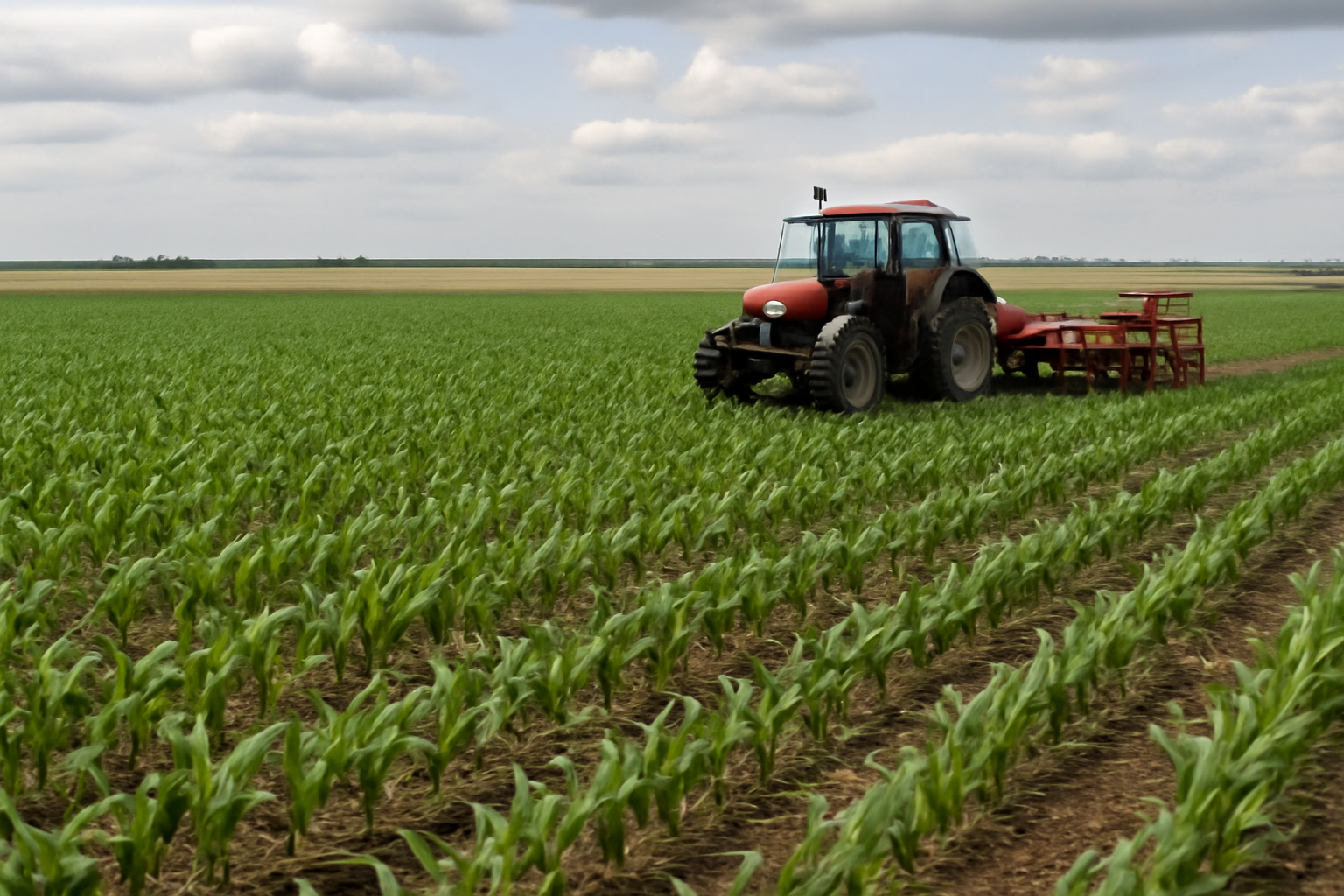
Corn acreage forecast remains unchanged
Argentina’s corn planting area for the 2026/27 crop cycle is expected to reach 8.4 million hectares, according to the Buenos Aires Grains Exchange. Reuters reported the forecast on August 25, citing the exchange’s estimate for one of Argentina’s principal field crops.
The projected area is unchanged from the previous season. The forecast therefore signals continuity in the amount of land allocated to corn rather than an acreage-led expansion or contraction. For producers, input suppliers, grain handlers and exporters, 8.4 million hectares provides an initial reference point for planning, but it does not by itself determine the size of the crop.
The exchange’s estimate concerns planted area. The source material does not provide a production forecast, expected yield, harvested-area estimate or export projection for 2026/27. Those indicators will be needed before the market can assess whether unchanged planting will translate into stable corn supply.
Output will depend on yields and harvested area
With acreage forecast to remain level, changes in production would have to come from yields or from the share of planted land that reaches harvest. A stronger yield could lift output without additional hectares, while a weaker result could reduce the crop even if producers complete the projected planting program.
This distinction matters for international buyers because Argentina is a major global corn supplier. Stable planting area offers no automatic guarantee that export availability will match the previous campaign. Domestic use, crop performance and the volume ultimately harvested will influence how much grain can be offered to overseas markets.
The available report does not specify destination markets, shipment volumes or prices. It also gives no comparison with other corn-producing countries. The immediate market signal is consequently limited but clear: the Buenos Aires Grains Exchange currently sees no year-on-year change in Argentina’s intended corn footprint.
Planning benchmark for the supply chain
For seed, fertilizer and crop-protection suppliers, unchanged national acreage suggests a broadly stable potential customer base measured by hectares. Actual input demand can still vary according to application rates, product choices and farmers’ execution of planting plans. No figures for those variables were included in the exchange forecast reported by Reuters.
Grain processors, storage operators and logistics companies will need production estimates rather than acreage alone to judge prospective throughput. Exporters will likewise require evidence on yields and harvest progress before translating the 8.4-million-hectare figure into possible shipment volumes.
The forecast is an early benchmark, not a final supply figure. Its main implication is that Argentina’s 2026/27 corn outlook begins with a stable land base. Subsequent revisions to planted area, followed by yield and harvested-area data, will determine whether the country’s crop and exportable surplus remain stable, increase or decline.