Argentina expands corn planting as 2026/27 crop outlook reaches up to 70.5 million tonnes
Argentina’s projected corn area has been raised by 200,000 hectares to 10.6 million hectares for 2026/27. The Rosario Board of Trade expects 67.5 million tonnes under normal yields, with a very strong El Niño potentially lifting production to 70.5 million tonnes.
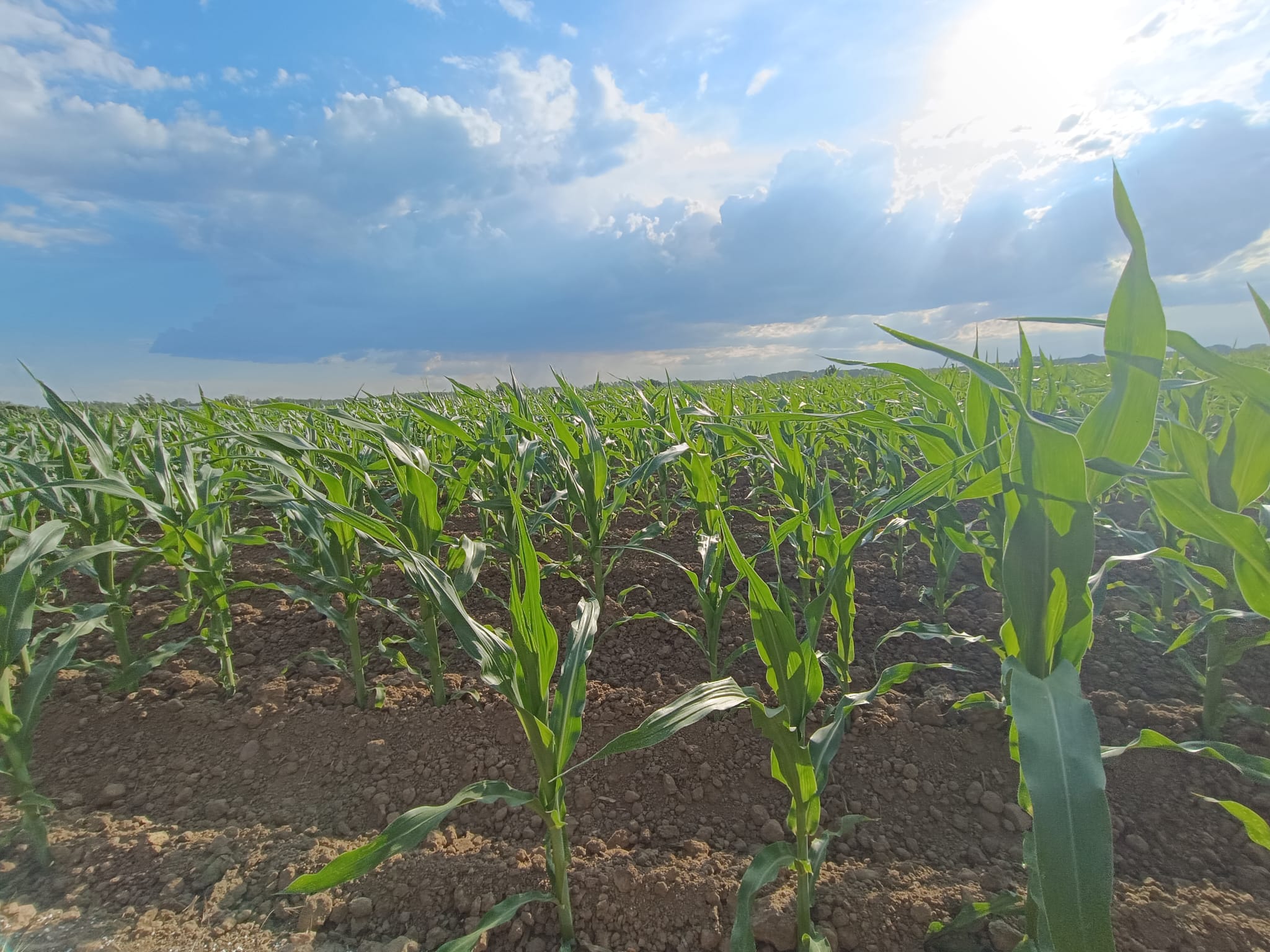
Planting estimate rises by 200,000 hectares
Argentina’s corn planting outlook is recovering ahead of the 2026/27 season, improving the prospect of greater export availability from one of the world’s major grain suppliers. AgroNews Castilla y León reports that the Rosario Board of Trade, or BCR, raised its September estimate for intended corn planting by 200,000 hectares to 10.6 million hectares.
The revised area would still be 3.6% below the previous season. About 8.9 million hectares are expected to produce commercial grain. With normal yields, BCR projects output of approximately 67.5 million tonnes. A very strong El Niño, if confirmed, could improve water availability during critical crop-development stages and lift the harvest towards 70.5 million tonnes, matching the record achieved in the preceding cycle.
The adjustment marks a substantial change from the first 2026/27 forecast issued one month earlier. That assessment anticipated a 7.3% contraction, equivalent to roughly 600,000 fewer hectares, while initial consultations in northern Argentina indicated that planting could fall by close to 40% in some areas.
Pest pressure and input offers change planting decisions
According to a BCR report prepared by Cristián Russo, the crop’s underlying economics have not changed radically. However, low current numbers of the corn leafhopper, Dalbulus maidis, and commercial discounts on seed and crop-protection products are encouraging producers to reconsider corn. In some regions, particularly southeastern Buenos Aires, projected corn margins have started to exceed those available from soybeans.
Controlling the leafhopper costs around $55 per hectare, or approximately €47.3, according to the report. The burden is greater in production areas far from major consumption and export centres, where high fuel prices add substantial transport expenses. Credit shortages and difficulties financing herbicide purchases are also bringing tillage back into use and supporting more spring soybeans, sorghum and early corn.
The regional picture remains uneven. Corn area is projected to decline by 26% year on year in Chaco and by around 27% in Santiago del Estero, compared with initial expectations of reductions close to 40%. Córdoba is expected to lose 2%, mainly because of northern areas, while La Pampa could fall 7% after reaching a record in the previous season. By contrast, Santa Fe and Entre Ríos are projected to expand by 2% and approximately 3%, respectively, while southeastern Buenos Aires could gain 1%.
Higher potential supply comes with weather and disease risks
Early planting has already started in parts of Chaco and Santiago del Estero. This may improve crop timing, but technicians warn that early fields can serve as reservoirs for the corn leafhopper, allowing populations to build before crops planted late in the year emerge. Excess moisture is another concern in central and eastern Buenos Aires, underscoring the dependence of the upper production estimate on favourable weather.
The broader crop outlook points to substantial Argentine grain and oilseed supplies. BCR estimates soybean planting at 16.7 million hectares, up about 2% year on year but 100,000 hectares below its previous forecast, with potential production of 47.8 million tonnes. Wheat output could reach 21 million tonnes from 6.95 million planted hectares; 93% of the crop is rated good or very good. For feed-grain buyers and traders, a corn harvest near the upper end of the 67.5-70.5 million-tonne range would increase the volume potentially available to the market, while pest costs, regional acreage losses and El Niño’s eventual intensity remain key uncertainties.