Argentina certifies 56-tonne Entre Ríos rice shipment for export to Chile
SENASA certified 56 tonnes of bulk white rice produced in Entre Ríos for human consumption in Chile. The inspection covered phytosanitary status, representative sampling, transport hygiene and QR-based traceability.
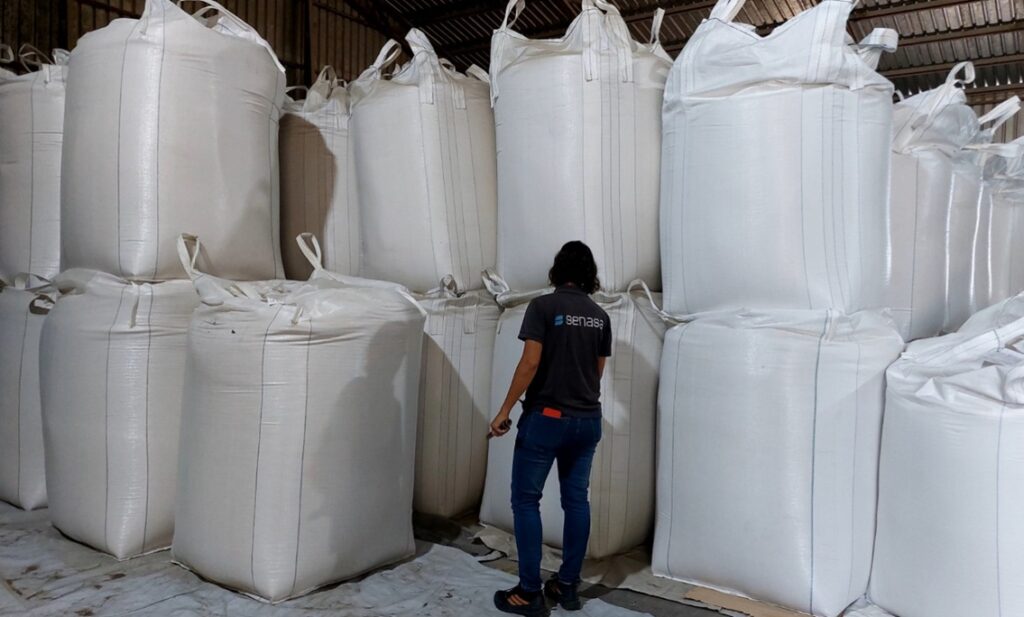
Bulk rice cleared after checks in La Paz
Argentina’s National Service for Agrifood Health and Quality, SENASA, has certified 56 tonnes of bulk white rice produced in Entre Ríos for export to Chile. The cargo is intended for human consumption and was inspected at a facility in La Paz, according to El Diario.
Specialists from SENASA’s Regional Plant Protection Coordination unit at the Entre Ríos Regional Center conducted the operation. The technical team physically inspected the rice, took a representative sample and verified the absence of pests. These checks established whether the consignment met the phytosanitary conditions required for shipment.
Because the rice will travel in bulk and enter the food market, inspectors also examined the hygiene and sanitary condition of the road transport units. The review included their cleaning and disinfection. The measures were intended to prevent storage pests and protect the food safety of the product during transportation.
Digital certificate links cargo and inspector
After confirming compliance with requirements set by Chile’s Agricultural and Livestock Service, SENASA issued the export certificate through its official CERT-POV system. The document contains a QR code carrying information about the certified cargo and the inspector responsible for the procedure.
El Diario reported that the digital mechanism allows the documentation to be validated quickly and securely. It is also designed to facilitate road customs clearance at the border and preserve a verifiable record of the tonnage inspected in La Paz. The system therefore links the physical consignment to its certification rather than treating the document as a separate administrative record.
The procedure combined three elements relevant to bulk food trade: representative sampling, confirmation that the rice was free of pests and inspection of the transport equipment. For exporters and Chilean buyers, that chain of checks provides evidence that both the product and the vehicles carrying it complied with the applicable requirements at origin.
A documented route into the Chilean market
SENASA said its controls support the development of the Entre Ríos rice sector, which it described as one of the province’s principal agro-industrial chains. The agency also said certification reinforces the sanitary standing and reliability of Argentine food in international markets.
The 56-tonne consignment is a specific shipment rather than evidence by itself of a broader change in regional rice volumes. It nevertheless illustrates the operational requirements behind trade between Argentina and Chile: production must be accompanied by pest controls, food-safety checks, compliant transport and documentation accepted by the destination country. For producers and traders in Entre Ríos, the ability to provide traceable certification is what converts available rice into cargo eligible for sale in Chile.