Argentina's cane crush tops 16.1 million tonnes as harvest nears 60%
Argentina's 2026 sugar and alcohol campaign has milled more than 16.1 million tonnes of raw sugarcane, with the harvest approaching 60% completion, according to the Instituto de Promoción del Azúcar y el Alcohol de Tucumán. Tucumán has delivered over 850,000 tonnes of physical sugar and a record 39,424 tonnes of organic sugar, up 136% year on year. Salta and Jujuy add 267,473 tonnes of sugar and more than 88 million litres of dehydrated bioethanol.
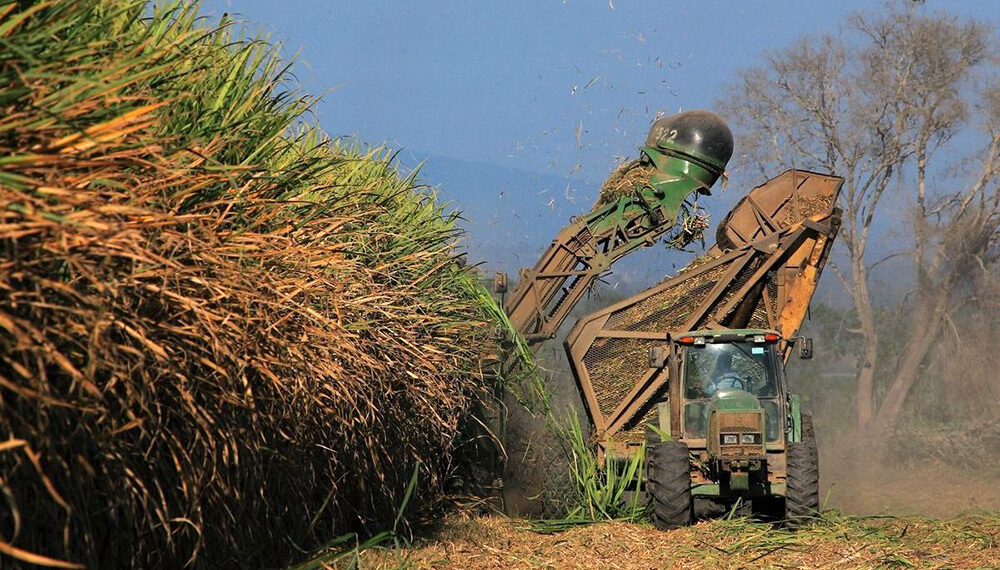
Milling tops 16.1 million tonnes as the harvest nears 60%
Argentina's sugar and alcohol campaign has crushed more than 16.1 million tonnes of raw sugarcane, with the harvest approaching 60% completion, according to the latest report from the Instituto de Promoción del Azúcar y el Alcohol de Tucumán (Ipaat), published by Noticias AgroPecuarias on 16 September.
The campaign is advancing at a firm pace across the three producing provinces of Argentina's northwest region — Tucumán, Salta and Jujuy. Ipaat links the result to a generalised improvement in raw material quality, with sucrose yield estimated at 5% above the same period of the previous season. A higher sucrose content per tonne of cane raises both crystal sugar recovery and the volume of fermentable material available to distilleries, lifting output without any change in planted area. With roughly 40% of the crop still standing, the figures published so far describe an incomplete campaign rather than a final balance.
Tucumán sets the pace with 14 mills running
Tucumán is the province setting the rhythm of the harvest. It has accumulated 128 days of continuous activity with 14 mills in full milling operation, and has already contributed more than 850,000 tonnes of physical sugar to national volumes, the Ipaat report states. That combination of duration and installed capacity makes the province the reference point for the national supply picture in any given week of the zafra.
The province also posted what Noticias AgroPecuarias describes as a historic rebound in organic sugar, reaching 39,424 tonnes — a 136% increase year on year. That is equivalent to roughly 4.6% of the physical sugar Tucumán has produced so far this campaign: a small share in tonnage terms, but the fastest-growing line in the provincial mix.
Salta and Jujuy add sugar and ethanol volume
Salta and Jujuy count 121 days of zafra. Alongside their sugar output, the two provinces are also pulling regional energy production, with more than 88 million litres of dehydrated bioethanol reported.
- Tucumán: 128 days of milling, 14 mills, more than 850,000 tonnes of physical sugar, 39,424 tonnes of organic sugar.
- Salta and Jujuy: 121 days of zafra, 267,473 tonnes of physical sugar, more than 88 million litres of dehydrated bioethanol.
- Distilleries: 14 in operation nationwide — 9 in Tucumán and 5 across Salta and Jujuy.
Taken together, the three provinces have delivered more than 1.11 million tonnes of physical sugar so far in the campaign. The 14 operating distilleries lead what the report calls the energy transformation of the activity, converting cane-derived material into fuel-grade alcohol alongside the crystal sugar stream.
Bioethanol underpins the 12% blend, with 15% under discussion
Cane-based bioethanol sustains Argentina's mandatory 12% blend with commercial gasoline, maintained with a guaranteed floor of 6% for the sugar-alcohol quota. According to the Ipaat report, that arrangement guarantees a continuous flow of supply to oil companies and gives predictability to domestic market values, insulating part of the cane crop from the swings of the sugar market.
The sector is now awaiting legislative decisions in Congress on a new regulatory framework for biofuels, which contemplates a progressive increase of the blend to 15%. Producers expect that horizon of expansion to encourage new investment in installed capacity and to strengthen the role of bioethanol as a strategic driver of regional development in the Argentine northwest. Until the framework is settled, the 6% floor remains the only volume guarantee underwriting distillery economics.