Argentina’s bioethanol industry seeks higher blending mandate after decade at 12%
Argentina’s bioethanol industry is pressing Congress to raise the mandatory blend from 12% to 15% and permit voluntary use above that level. Producers say existing capacity, new projects and growing sugarcane output could support a larger market, but the broader biofuels debate remains blocked by disagreements over biodiesel.
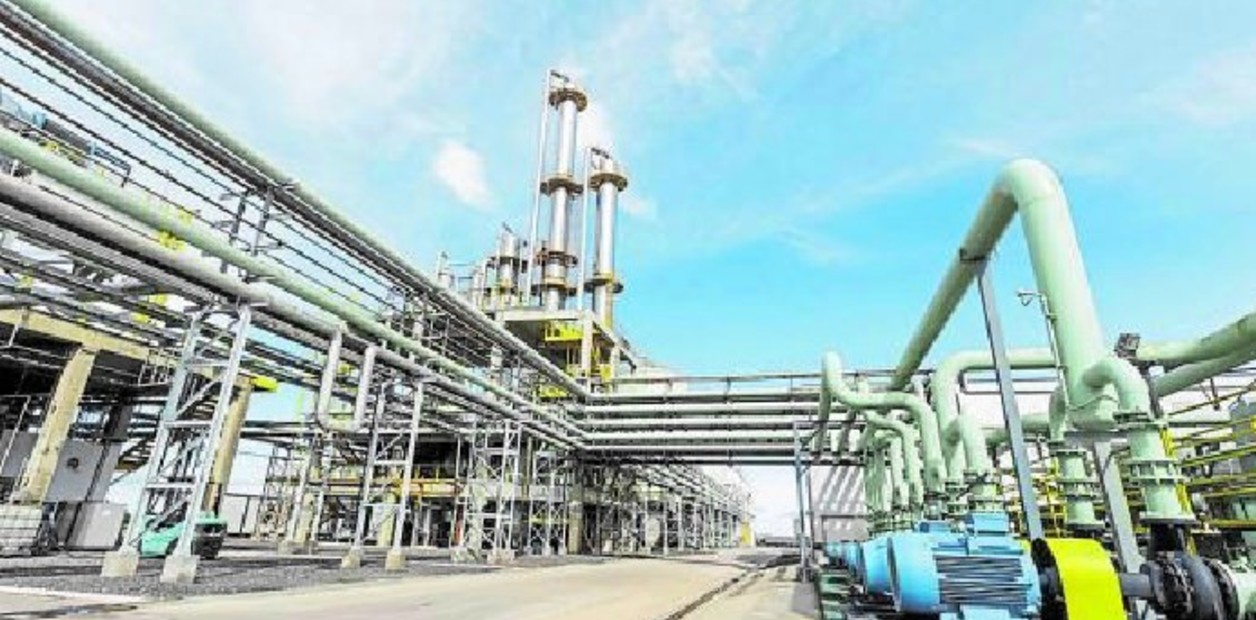
Industry presses for a larger domestic market
Argentina’s bioethanol industry is seeking regulatory changes to end almost a decade in which the mandatory ethanol blend in gasoline has remained at 12%. The issue brought together more than 400 legislators, governors, officials, industrial companies, technology suppliers and specialists at the second Bioethanol Summit in Tucumán, organized by the Institute for the Promotion of Sugar and Alcohol of Tucumán, according to Clarín.
The industry’s expansion began under Law 26.093, which required gasoline to contain 5% bioethanol from 2010. Strong investment and growing supply subsequently allowed the national government to raise the ethanol requirement to 12%. Producers now argue that the regulation has become a ceiling on demand despite the availability of raw materials, technology and investment projects.
Sugarcane and corn capacity has expanded
Over 15 years, Argentina’s sugarcane area increased from about 280,000 to 420,000 hectares, while cane-based alcohol production tripled from 200,000 to 600,000 cubic metres. Ethanol now generates around 30% of the sugar sector’s revenue. The change supported modernization of older distilleries in northwestern Argentina and reduced the industry’s exclusive dependence on sugar.
A separate corn ethanol industry emerged in central Argentina and now supplies another 600,000 cubic metres. Together, the cane and corn industries therefore produce about 1.2 million cubic metres. Patrick Adam, executive director of the Corn Bioethanol Chamber, said allowing only one-fifth of Argentine fuel consumption to move into a voluntary market could create close to 2 million cubic metres of additional ethanol demand.
Regional comparisons have increased pressure for reform. Argentina’s blend has stayed at 12% for almost ten years, while Brazil moved from 18% to 32%, Paraguay reached 30%, and Bolivia opened the way for shares of up to 25%. Brazil also has a large hydrated-ethanol market supported by flex-fuel vehicles.
Projects await clearer demand signals
Proposed investments include a new BIOVI plant in General Villegas, a similar plan from Agricultores Federados Argentinos and an initiative in Buenos Aires province linked to Bahía Energía. Sugar mills are also considering distillery expansions and flex plants capable of processing sugarcane during the harvest and corn outside the cane season.
Seven bills with parliamentary status seek to move ethanol beyond 12%. The proposal viewed as having the strongest political prospects was introduced by Patricia Bullrich and has explicit support from the ethanol industry. It would raise the mandatory blend to 15%, allow voluntary consumption above that threshold, permit oil companies to produce ethanol for volumes above 15%, and authorize provinces to adopt higher local blends. Córdoba, for example, could expand use of E17, already employed in part of its public fleet.
Biodiesel dispute holds up legislation
Clarín reports broad agreement around bioethanol reform, but congressional negotiations on the wider biofuels framework remain blocked by disagreements over biodiesel among large producers, smaller companies, oil groups, provinces and the national government. Ethanol representatives and supporters of the leading bill have indicated that they could pursue separate legislation if the combined package remains stalled.
The decision is particularly urgent for northern sugarcane producers. Cane output continues to grow while milling capacity is reaching its limits, and some cane is again expected to remain unharvested. Unlike corn, harvested cane cannot be stored for months or exported unprocessed; it must reach a mill quickly. Turning all additional output into sugar would expose producers more heavily to a global market shaped by subsidies, quotas and protectionist policies, as well as a domestic market with a history of surpluses. A larger ethanol outlet would give mills another use for rising cane supplies while providing a demand signal for new distillation capacity.