Argentina exports more beef as domestic consumption falls and Brazilian imports rise
Argentina’s first-half beef exports rose 10.2% even as production declined 6.2% and domestic supply fell to its weakest start in three decades. Brazilian beef, poultry and pork imports are gaining ground as Argentine consumers turn toward cheaper proteins.
Exports take a larger share of falling production
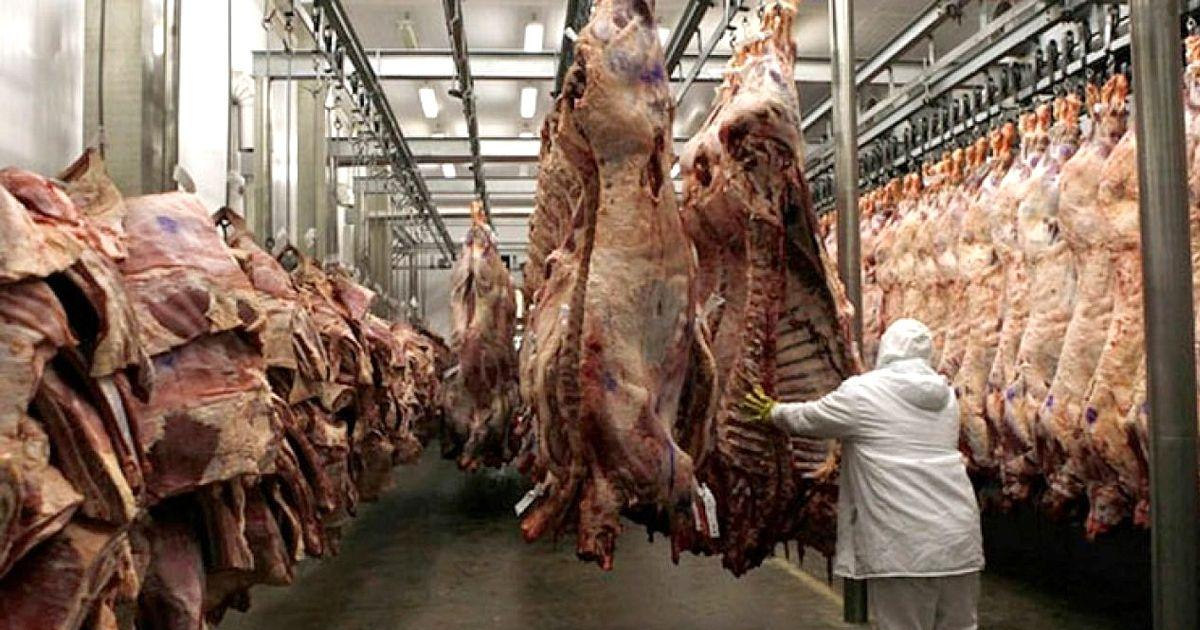
Argentina exported 408,600 tonnes of beef in the first half, an increase of 10.2% from a year earlier, according to Sitio Andino. The expansion came despite a 6.2% decline in total production to 1.428 million tonnes. As a result, exports accounted for 28.6% of output, up from 24.4% in the comparable semester, as foreign markets offered meatpackers more attractive prices.
Supply to the domestic market moved in the opposite direction. It fell 11.5% year on year to 1,019,430 tonnes of carcass-weight equivalent, marking the weakest first-half performance in three decades. The industry is operating with fewer cattle available for slaughter, leaving exporters and local retailers to compete for a smaller production base.
Consumption retreats as beef outpaces inflation
Annualized per-capita beef consumption declined to 47 kilograms, down 8.2% from 12 months earlier. That represents a reduction of about 4.2 kilograms per person compared with 2025. Households have responded by buying smaller quantities, dropping some cuts or replacing beef with poultry, pork and other foods.
Price growth has intensified that shift. Industry association CICCRA reported that beef cuts rose 53.6% year on year, compared with general inflation of 33.5%. Ground beef increased 56.2% and asado cuts gained 54.3%. Domestic beef prices, which doubled during 2025, added nearly another 20% in 2026, according to the report.
Brazilian meat fills retail and processing demand
Imports are helping supermarkets and processors supplement local supply. Combined arrivals of beef, poultry and pork reached a record of about 15,000 tonnes in May, compared with 9,900 tonnes in May 2025 and 1,150 tonnes in May 2024, agribusiness specialist Javier Preciado Patiño said. This increase occurred while Argentina’s overall imports declined 7% year on year amid weaker economic activity. Brazil supplied nearly all of the imported meat.
Poultry led the increase with 5,635 tonnes entering in May, while pork imports remained close to 6,000 tonnes per month and beef arrivals totaled about 3,400 tonnes. Pork consumption has risen to approximately 18-19 kilograms per person annually because many cuts cost half as much as comparable beef products. The Argentine Pork Federation says Brazilian pork creates unfair competition because Brazil permits ractopamine, a growth promoter prohibited in Argentina on health grounds. For cattle processors, the price gap creates a separate commercial calculation: plants can export Argentine beef to higher-paying markets while using lower-priced imported cuts to serve parts of the domestic market.