Aperam to invest R$1.5 billion in charcoal production and decarbonization
Stainless steelmaker Aperam will invest nearly R$1.5 billion, financed through the IFC, to expand charcoal-based reduction and decarbonization at its Brazilian operations. The funding backs eucalyptus plantations, cleaner furnaces, seedling nurseries and large-scale bio-oil production.
Aperam will invest nearly R$1.5 billion to expand charcoal production and decarbonization projects at its Brazilian operations, financed through a package from the International Finance Corporation (IFC), part of the World Bank Group, according to O Tempo.
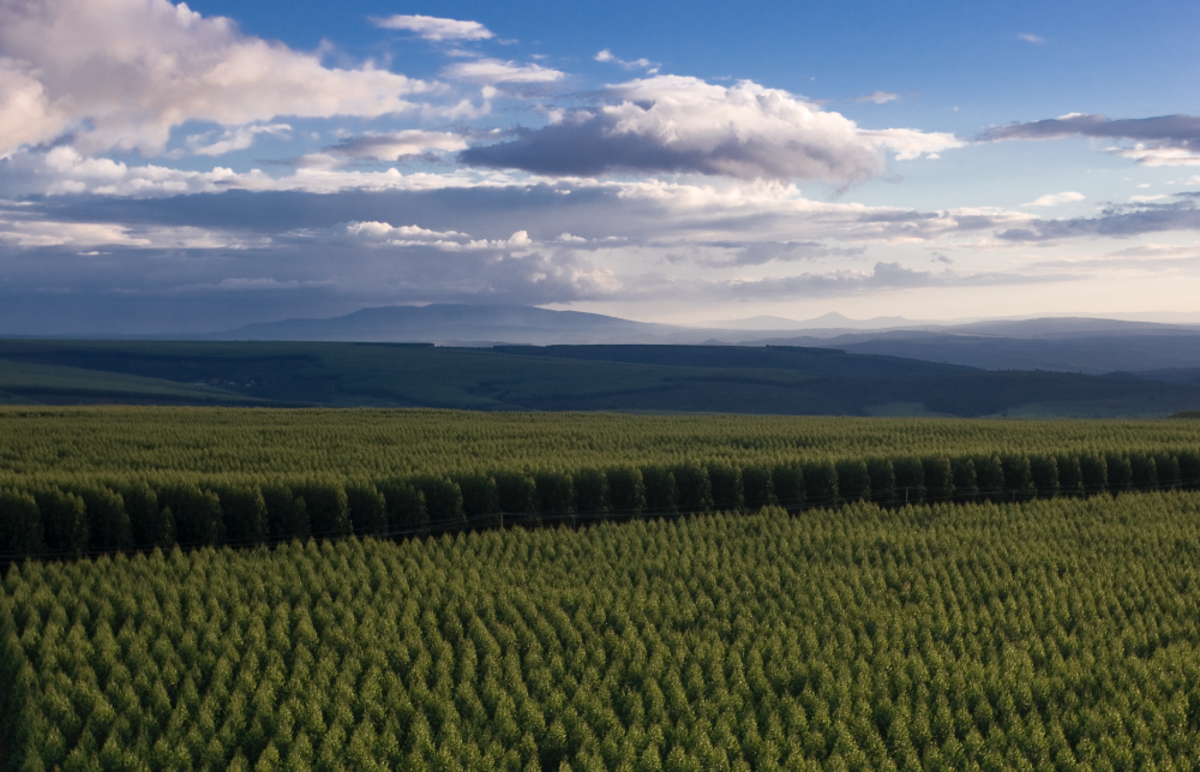
The funding targets Aperam BioEnergia, the group's forestry arm, which manages 150,000 hectares of forest in Brazil, including more than 60,000 hectares of natural vegetation preservation areas and wildlife corridors. The company says the capital will strengthen its sustainable forest management program and support the supply of charcoal used as a reducing agent in steelmaking.
Charcoal replaces mineral coal
Aperam states it has completely replaced mineral coal with charcoal sourced from FSC-certified forests at its production facilities in Brazil, cutting its carbon footprint. For steel buyers the distinction matters: charcoal-based reduction relies on a renewable carbon source rather than imported coking coal, which underpins the company's low-carbon stainless steel positioning.
What the IFC package funds
According to the company, the investment will finance several linked measures:
- Acquisition of complementary eucalyptus plantations to secure feedstock;
- Modernization of charcoal production furnaces with cleaner, more efficient technology;
- Expansion of nursery capacity to meet growing demand for high-quality seedlings from other forestry companies;
- Development of improved tree varieties that yield more biomass with lower resource use, such as water.
The nursery expansion signals an emerging trade in seedlings, with Aperam supplying other forestry operators from the same land base.
Bio-oil and circular operations
The company says the investment will help Aperam pioneer large-scale commercial production of bio-oil, captured from residues of the charcoal production process. The product can replace synthetic fuel products, reducing greenhouse gas emissions and improving the circularity of operations.
Olaf Schmidt, IFC Regional Director of Industry, said the investment reinforces the IFC's commitment to sustainable development and environmental management, aiming to deliver innovative solutions that benefit both the economy and the environment. The IFC says this is its first investment supporting sustainability in the country's steel and metals sector, and that it will create jobs, reduce carbon emissions and improve sustainable forest management practices.
Timoteo di Maulo, CEO of Aperam, said sustainability is central to the group's strategy and that the partnership reinforces its commitment to leading low-carbon steel production, from increasing recycled content in products to using its own sustainably managed forests for carbon capture. Frederico Ayres Lima, CEO of Aperam South America, said the partnership is an essential step in advancing low-carbon steel production through sustainable forestry and circular-economy practices, contributing to Brazil's broader decarbonization goals.
For importers of stainless and specialty steel, the shift matters at the margin: Brazil's eucalyptus-based charcoal route gives Aperam a domestic, renewable reduction pathway at a time when carbon border measures are raising the cost of coal-based steel entering markets such as the European Union.