Analysts warn oil markets remain exposed to fresh price spikes despite retreat to pre-war levels
Oil prices have returned to pre-war levels after the US and Iran agreed to talks on reopening the Strait of Hormuz. But analysts at Goldman Sachs, Citigroup and Energy Aspects warn that record-low inventories leave the market exposed to another price spike through the second half of the year.
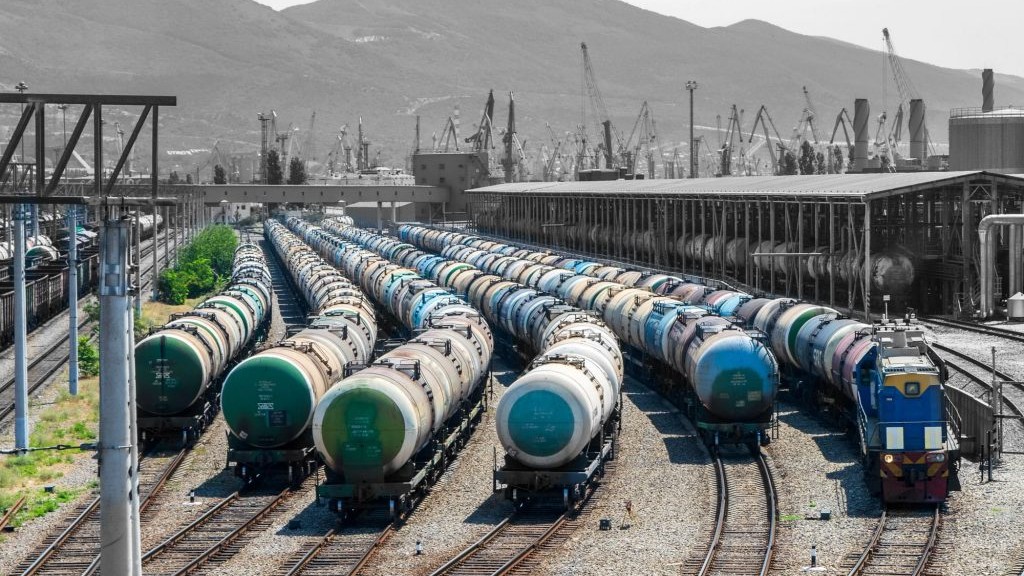
Oil prices have fallen back to pre-war levels after the United States and Iran agreed to negotiate a deal that includes reopening the Strait of Hormuz, yet analysts and investment banks warn the market remains dangerously exposed to a fresh price spike in the second half of the year, according to Oilprice.com and Hellenic Shipping News.
Prices retreat as Hormuz flows resume
With oil flows out of the Middle East starting to return, many analysts expect prices to head toward $60 per barrel, and the futures market has turned bearish, with most speculators betting on lower prices over the past month, Oilprice.com reports. Goldman Sachs said last week that the coming race to rebuild depleted inventories will not offset the massive glut expected to reach the market next year as Strait of Hormuz traffic normalizes. Citigroup expects Brent crude to fall as low as $60 per barrel by the end of the year, anticipating that flows will soon normalize and that Washington and Tehran will reach a deal in the coming months.
A framework, not a peace deal
The US-Iran memorandum of understanding is only a framework to negotiate a potential agreement by the end of August, not a lasting settlement, Oilprice.com stresses. Public progress is not visible, and Iran has not abandoned its push to assert control over the passage, including demands for "service fees" in exchange for safe transit. Iran's nuclear program remains unaddressed both in the MoU and in the limited talks held since the mid-June agreement. Traders point to how well the market absorbed the worst supply disruption in history, but this was cushioned by strategic stock releases and by China halting spot purchases early in the war.
Shipping and output recovery lag
Physical conditions remain far from normal. The head of Japan's NYK Line, which operates more than 900 ships, told the Financial Times that mines mean shipping through the Strait of Hormuz will run at less than half pre-war levels for months even if a US-Iran peace deal holds, Hellenic Shipping News reports. The US Energy Information Administration assumes the Strait stays effectively closed into early summer, with flows slowly resuming in the third quarter; it expects production and trade patterns to return to pre-conflict status only by early 2027, and some Persian Gulf producers to remain below pre-conflict output until the end of 2027. Iran has sold 40 million barrels since sanctions were removed, but at production of 5 million bpd, cited from the Energy Institute, that equals just eight days of output.
Low inventories leave no buffer
The core risk, analysts say, is that inventories have been drawn down to critical levels, leaving no margin for error if talks collapse.
- US crude inventories, including the Strategic Petroleum Reserve, sit at their lowest level since 1985, according to Energy Aspects.
- China amassed more than 1.3 billion barrels in commercial and strategic stocks by the start of the conflict on February 28 and stopped buying spot crude as prices spiked.
- Chinese seaborne crude arrivals slumped to just over 6 million bpd in June, the fourth consecutive monthly decline and the lowest since at least 2016, according to Vortexa.
Ilia Bouchouev of the Oxford Institute for Energy Studies told Reuters that depleted stocks do not stop the market functioning but make forward prices more prone to spikes. Vortexa's Pamela Munger expects Chinese imports to rebound only gradually, and not necessarily to pre-war levels. Until stockpiles are rebuilt, any reversal in US-Iran tensions could expose the market to another disruption, against a backdrop the IEA has called the "biggest energy crisis in history."