AM Green Plans Over ₹100 Billion for Five Indian Bio-Refineries by 2030
AM Green plans to invest more than ₹100 billion in five bio-refineries across India by 2030. The initial capacity of each facility would be 250,000 tonnes a year, with scope to expand to 1 million tonnes.
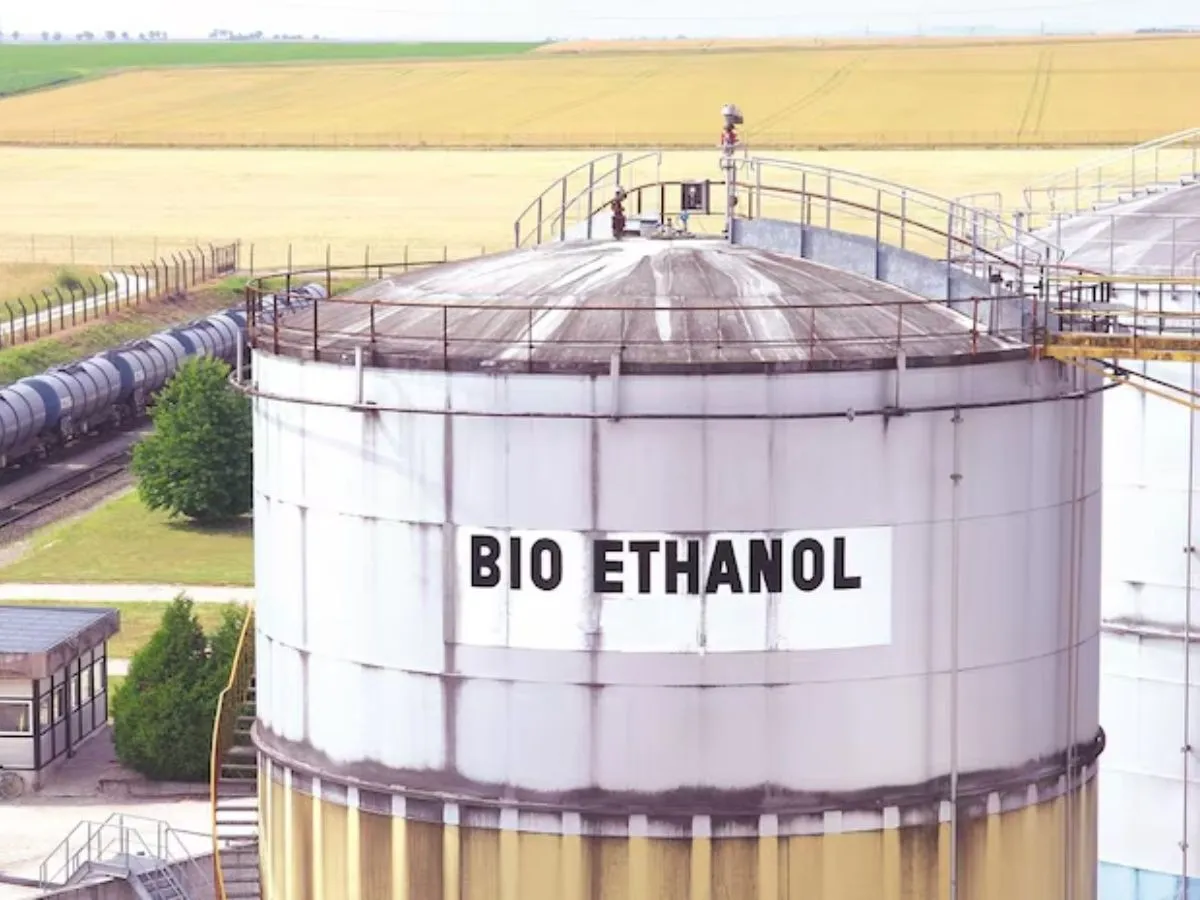
Five projects planned by 2030
AM Green plans to invest more than ₹100 billion to establish five bio-refineries in Indian states including Uttar Pradesh, Andhra Pradesh and Madhya Pradesh by 2030. Chief Technology Officer SSV Ramakumar disclosed the program in an interview with Business Standard.
The clean-energy company was founded by Greenko Group promoters Anil Chalamalasetty and Mahesh Kolli. According to Business Standard, each planned refinery would begin with annual capacity of 250,000 tonnes and could later be expanded to 1 million tonnes. Ramakumar, a former director of research and development at Indian Oil, said five units of 250,000 tonnes each would generally require investment exceeding ₹20 billion per unit, taking the overall program above ₹100 billion.
Land acquisition is the next practical step. AM Green expects to secure land shortly for implementation. In Andhra Pradesh, it is considering northern districts including Srikakulam, Vizianagaram and Anakapalli. The company is looking for sites both for the refinery and for cultivation of crops needed to supply its feedstock.
Feedstock strategy extends beyond molasses
The proposed plants would process biological waste such as bamboo, rice straw and wheat straw, as well as cultivated Indian Napier grass. Ramakumar said AM Green had tested sugar-industry feedstocks, excluding molasses, during the past year in cooperation with a major sugar producer. A refinery based on that material is planned for Uttar Pradesh.
Dedicated feedstock crops would be grown for the Andhra Pradesh and Madhya Pradesh refineries. This approach would make agricultural supply and land availability central to the plants' economics. Facilities with initial capacity of 250,000 tonnes a year will require dependable collection, cultivation, storage and transport systems before any later expansion toward 1 million tonnes can be supported.
The program builds on AM Green's existing project in Assam. The country's first bamboo-based bio-refinery was inaugurated there last November by Prime Minister Narendra Modi. Built at a cost of about ₹45 billion, the facility is progressing toward a target of 65% capacity utilization. It operates through Assam Bio Ethanol Private Limited in a joint venture with Numaligarh Refinery Limited.
Assam plant establishes the product model
The Assam project's total primary feedstock capacity is 300,000 tonnes a year. It is designed to produce 80,000 tonnes of low-carbon-intensity ethanol, 20,000 tonnes of green furfural and approximately 8,000 tonnes of acetic acid. The output mix shows that AM Green's proposed refineries are intended to supply both fuel markets and industrial chemical users rather than operate solely as ethanol plants.
Business Standard reported that first-generation ethanol, currently the main type produced in India and used for 20% blending with gasoline, can reduce gasoline's stated carbon footprint of 94 kilograms of CO2 per megajoule of energy by as much as 50%. Second-generation ethanol produced by the Assam venture can cut carbon intensity by as much as 80%. If AM Green secures land and sufficient feedstock, its five-refinery plan would substantially expand the country's second-generation ethanol platform while creating new demand for crop residues, bamboo and dedicated energy crops.