All-wheel-drive vehicles reach record 41.5% share of Russian new-car sales
Russia sold 845,000 new passenger cars in the first eight months of 2026, including 351,000 all-wheel-drive vehicles. Their market share reached a record 41.5%, highlighting the importance of four-wheel-drive models for manufacturers and dealers.
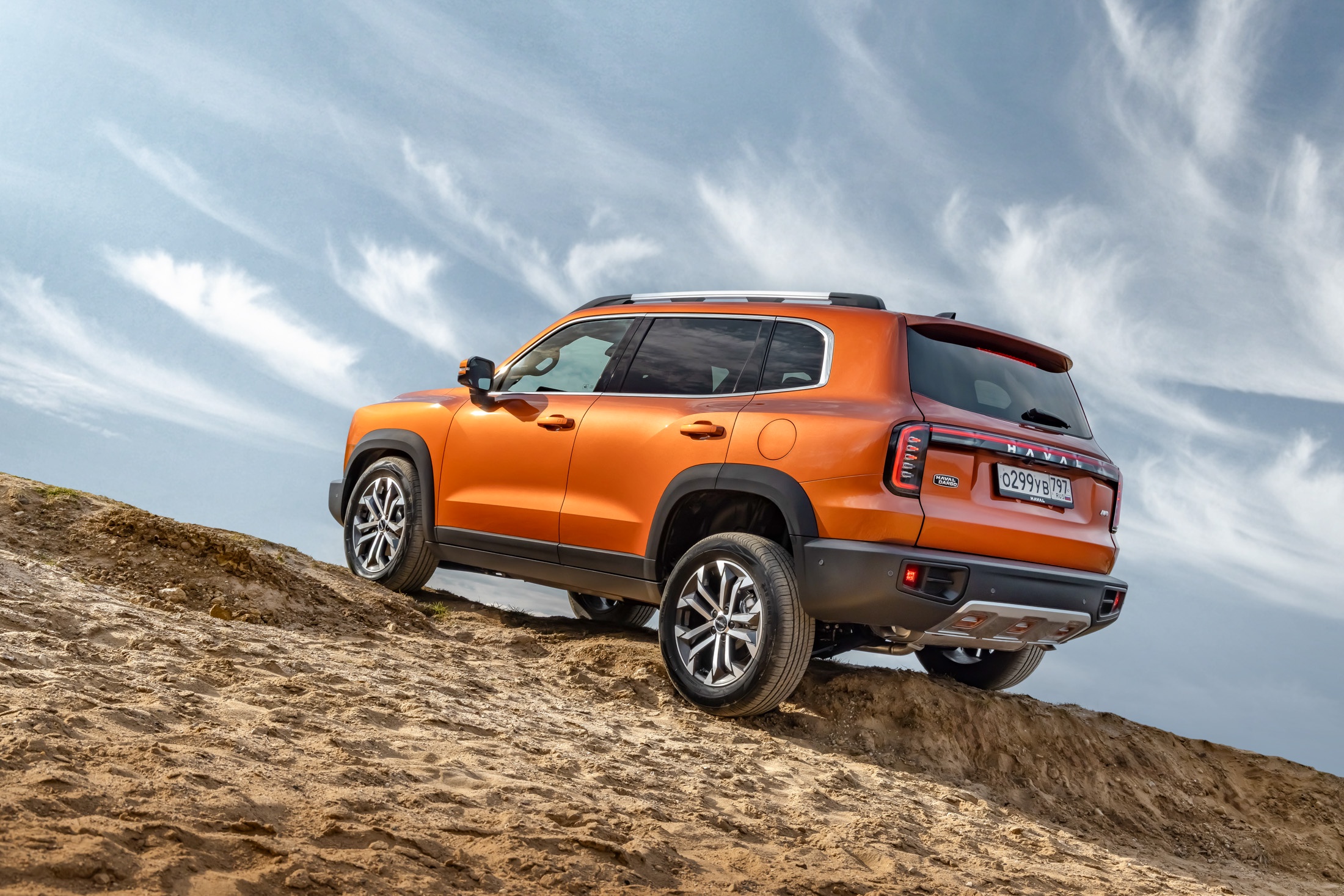
All-wheel drive takes a record market share
All-wheel-drive vehicles accounted for a record 41.5% of Russia’s new passenger-car market in the first eight months of 2026, according to Rossiyskaya Gazeta. Of the 845,000 new passenger cars sold during the period, 351,000 transmitted power to all four wheels.
The figures mean that roughly two out of every five new cars purchased in Russia during the eight-month period had all-wheel drive. The remaining 494,000 vehicles, calculated from the reported market total, used other drivetrain configurations. The publication did not provide a comparison with the same period of 2025 or quantify the previous record, so the pace of the increase cannot be established from the available data.
Even without a year-on-year comparison, the 41.5% share gives manufacturers, distributors and dealers a clear indication of the weight of all-wheel-drive products in the Russian market. A segment representing 351,000 registrations is no longer limited to a narrow specialist category. It is a central part of new-car demand.
Product mix becomes more important
The result has direct implications for vehicle allocation and inventory planning. Suppliers serving Russia need enough all-wheel-drive models and compatible configurations to address more than two-fifths of recorded demand. Dealers that lack such vehicles risk competing for a smaller portion of the market, while brands with broad all-wheel-drive ranges can address a larger customer base.
The reported data do not identify brands, models, body types, price bands or production origins. It is therefore not possible to determine whether the record was driven by locally produced vehicles, imports or a particular group of manufacturers. The figures also do not show whether buyers actively shifted away from two-wheel-drive cars or whether the available supply became more concentrated in all-wheel-drive models.
That distinction matters for market participants. Consumer-led growth would point to durable demand for the drivetrain itself. Supply-led growth could instead reflect changes in the model range offered by manufacturers and importers. Both scenarios support a high sales share, but they require different decisions on production, sourcing and pricing.
Capacity and sourcing decisions face a stronger signal
For producers and component suppliers, the record share strengthens the commercial case for capacity linked to all-wheel-drive systems, including drivetrain components designed for four-wheel power delivery. However, the headline figures alone do not reveal capacity utilisation, domestic output or the volume of imported vehicles and parts. Investment decisions will still require model-level sales and supply data.
Importers must also distinguish between total market scale and the addressable market for individual products. The 351,000-unit figure covers all all-wheel-drive passenger cars rather than a single price category or vehicle type. Availability, specifications and after-sales support will determine which companies can convert the broad market trend into sales.
The central finding is nevertheless substantial: all-wheel drive captured 41.5% of 845,000 new passenger-car sales in Russia between January and August 2026. Until more detailed brand and model data become available, this record share is best treated as a strong signal about market composition, rather than proof of which producer or supply channel gained the most.