Algeria opens its market to Brazilian distillers grains for animal feed
Algeria has authorised imports of dried distillers grains (DDG) produced in Brazil, a corn ethanol byproduct used in cattle and poultry feed. The decision was announced in Brasília by Brazil's agriculture and foreign affairs ministries, according to ANBA. Morocco opened its market to the same Brazilian product in 2024.
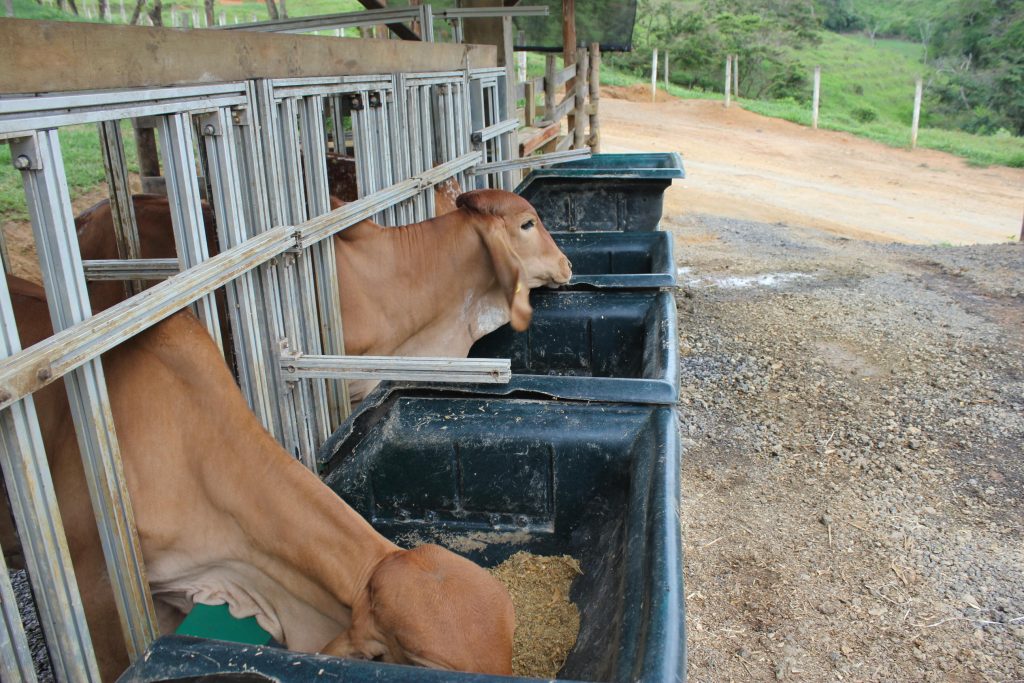
Algeria has opened its market to imports of dried distillers grains (DDG) produced in Brazil. The decision was announced on Tuesday the 29th in Brasília by Brazil's Ministry of Agriculture and Livestock (Mapa) and the Ministry of Foreign Affairs (MRE), according to ANBA, the Brazil-Arab News Agency. The opening gives Brazilian producers of the corn ethanol byproduct access to a second North African buyer.
A corn ethanol byproduct sold as feed protein
DDG is a byproduct of corn ethanol manufacturing. ANBA reports that it is rich in fats, fibre and protein, with a protein content of approximately 30%, and that it is used as an alternative to soybean meal and corn meal in the diets of cattle and poultry. Brazil is one of the world's largest producers of the product.
Three characteristics define how the ingredient is traded:
- a protein content of around 30%, which puts it in direct competition with soybean meal in compound feed formulations;
- a fat and fibre profile suited to cattle and poultry rations rather than to single-stomach diets alone;
- supply volumes tied to corn ethanol output, because DDG is generated by the distilling process and cannot be produced independently of it.
Algeria follows Morocco
Algeria is the second North African market to admit the Brazilian product. Morocco opened its market to Brazilian DDG in 2024, according to ANBA. Neither country has a corn ethanol industry of the scale that generates DDG domestically, so any volume used in local feed mills has to be imported.
For Brazilian suppliers, each approved destination matters because the byproduct is produced in fixed proportion to ethanol output. A distiller that raises fuel production also raises DDG tonnage, whether or not domestic feed demand absorbs it. Export approvals are the mechanism that converts that volume into placed product rather than inventory.
Part of a wider package of openings
In the same announcement, Mapa and the MRE confirmed market openings for other Brazilian products in Antigua and Barbuda, China, Chile and Paraguay. The announcement as reported by ANBA did not specify which products were covered in each of those markets, and the Algerian authorisation was the only one described in detail.
The pattern is consistent with the way agricultural market access is handled in Brazil: openings are negotiated product by product and destination by destination, then published as a batch by the two ministries once the sanitary and technical requirements of the importing country have been settled.
From access to shipments
No import volumes, tariff treatment, quota arrangements or start dates for shipments were included in the announcement as reported. A market opening of this kind establishes the regulatory and sanitary conditions under which a product may enter a country; it does not create trade by itself. Actual flows depend on commercial terms between Brazilian exporters and Algerian buyers, on freight costs across the South Atlantic and the Mediterranean, and on how DDG prices compare with soybean meal and other protein sources available to Algerian feed compounders.
For Brazilian ethanol plants, the approval widens the outlet for a byproduct whose volume they cannot adjust independently of their fuel business. For Algerian buyers, it adds a protein and energy source to the list of ingredients they can formulate against, which is relevant to cost management in cattle and poultry production. Whether that translates into meaningful tonnage will become visible only once the first commercial contracts are signed.