Algeria Leads Arab Watermelon Production as Morocco Dominates Regional Exports
Arab countries produce about 6.02 million tonnes of watermelon, led by Algeria, while Morocco accounts for most of the region’s export value. Rising temperatures, prolonged drought and water scarcity are increasing pressure on the crop.
Arab output reaches 6.02 million tonnes
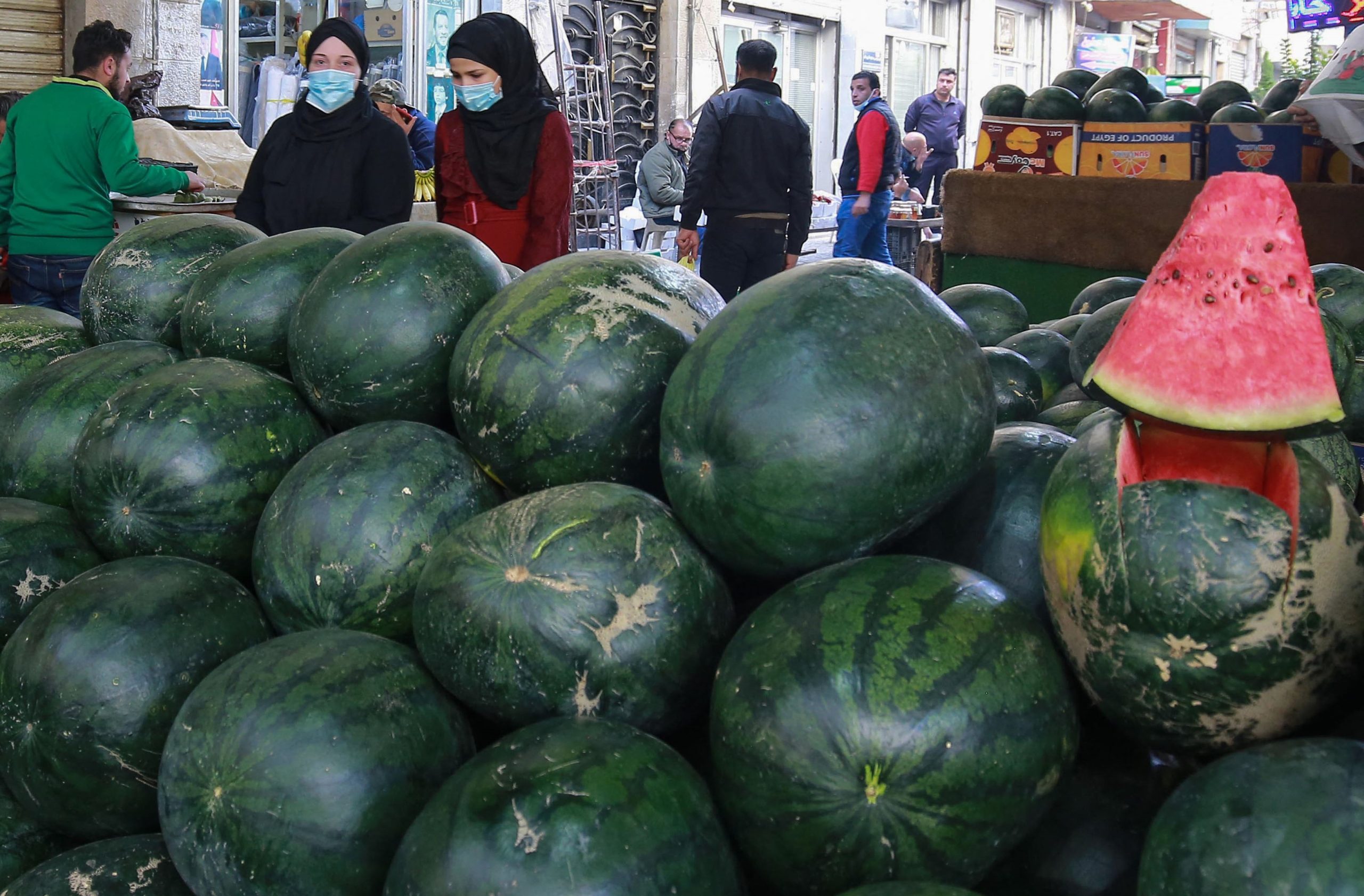
Arab countries produce about 6.02 million tonnes of watermelon annually, equivalent to 5.7% of global output of 104.96 million tonnes, according to the latest data from the UN Food and Agriculture Organization cited by Mshireb. The regional total covers 20 Arab countries for which FAO data are available.
Algeria accounts for approximately 41.9% of Arab production and ranks fourth among the world’s largest watermelon producers. Its harvest exceeds the combined output of Egypt, Saudi Arabia, Tunisia and Morocco. The scale of Algeria’s crop contrasts with Morocco’s stronger position in international trade.
Global watermelon production rose 0.5% in 2024. Mainland China remained the dominant producer with 63.51 million tonnes, or about 60.5% of world output. The ten largest producing countries harvested a combined 82.92 million tonnes, representing 79% of the global total.
Morocco captures most Arab export value
Exports present a different hierarchy. The total value shipped by 104 economies included in the UN database reached about $2.15 billion in 2024. Spain led with $561.6 million, followed by Mexico, Italy, the United States and the Netherlands. Morocco ranked sixth worldwide with exports worth approximately $94.04 million.
Morocco generated about 67.8% of the combined watermelon export value reported by Arab countries with available data. Spain alone represented 26.1% of global export value. China, despite its commanding production lead, ranked ninth by export value, while the Netherlands placed fifth without being among the major producers.
The figures show that harvested volume does not automatically translate into export strength. Domestic consumption can absorb a large crop, while overseas sales also depend on cold-chain capacity, transport, product quality, compliance with importing-market specifications and access to foreign buyers. The Netherlands’ ranking illustrates the role that logistics and re-export hubs can play in agricultural trade.
Heat and drought raise production risks
Watermelon thrives in warm conditions but requires reliable irrigation during establishment, flowering, fruit setting and enlargement. These stages are particularly sensitive to water shortages. Farmers across the region must adapt planting dates and irrigation practices to conditions ranging from the relatively mild, wetter winters of North Africa’s Mediterranean coast to the heat and limited rainfall of desert areas and much of the Arabian Peninsula.
The climatic pressure intensified in 2024, the hottest year recorded in the Arab region. Algeria, Morocco and Tunisia each registered their hottest year, while Algeria’s average temperature was about 1.64 degrees Celsius above the 1991-2020 average. Rainfall across broad parts of North Africa was around 40% below normal, and the continent’s northwest entered a sixth consecutive year of drought, according to the World Meteorological Organization.
Drip irrigation can improve water-use efficiency by supplying small, frequent quantities directly to the root zone and reducing losses compared with less frequent, high-volume irrigation. Salinity presents an additional constraint: a 2026 field trial published by the US Department of Agriculture found deterioration in watermelon plant health at every tested salinity level, averaging 30% at the highest level. For Algeria, Morocco and other regional suppliers, water management will increasingly influence both harvest reliability and the ability to serve domestic and export markets.