Algeria targets domestic grain corn expansion to curb feed import dependence
Algeria is considering a major expansion of grain-corn cultivation, particularly in its southern regions, to reduce reliance on imported poultry-feed ingredients. The plan faces substantial water, irrigation and logistics constraints.
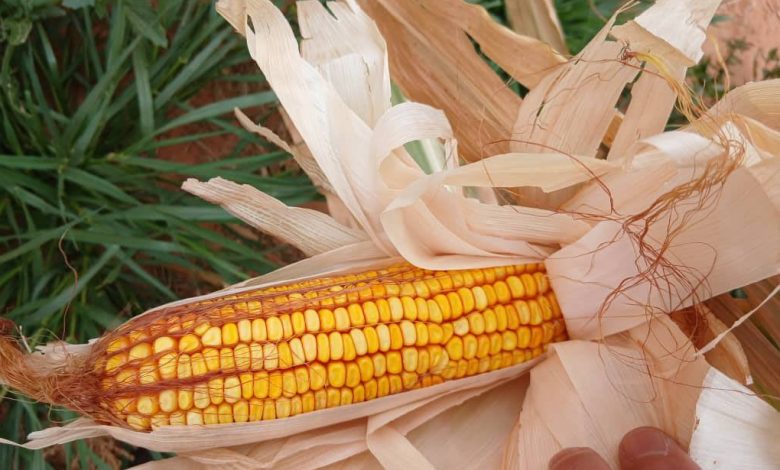
Feed dependence drives the corn strategy
Algeria is seeking to establish grain corn as a large-scale domestic crop to reduce its exposure to international feed markets and support its poultry and livestock industries. The initiative forms part of a broader food-security policy that has already focused on durum wheat and is gradually extending to soft wheat and barley.
Grain corn is a central energy component in compound feed. Agricultural specialist Laâla Boukhalfa told Akhbar El Watane that corn accounts for 60% of feed formulations in Algeria. The country also imports about 1.5 million tonnes of soybean meal annually as a protein source. Feed represents more than 70% of the total cost of producing poultry meat and eggs, making corn availability and pricing a direct concern for farmers, processors and consumers.
Boukhalfa said Algeria imports around 5 million tonnes of grain corn per year and depends on foreign supply for more than 99% of its requirements. He put domestic production at no more than 260,000 tonnes annually and described it as less than 0.5% of consumption. Those figures are internally inconsistent: 260,000 tonnes would equal more than 5% of a 5-million-tonne import volume. They therefore indicate the scale of dependence but do not provide a reconciled national supply balance.
Water and land constrain self-sufficiency
The principal obstacle is irrigation. According to Boukhalfa, producing 5 million tonnes domestically would require about 1 million hectares dedicated exclusively to irrigated corn. Algeria currently has only 1.5 million hectares of irrigated land across all crops. Grain corn also requires plentiful water, suitable humidity and close monitoring throughout its growing cycle.
The southern regions are central to the proposed expansion because they offer large areas, groundwater resources and warm conditions. Boukhalfa said two crops could be grown there each year, with the first planted in March and the second in August. This model would require industrial dryers near farms to prevent deterioration after harvest, as well as collection centers and adequate transport infrastructure.
Higher yields require investment
Current corn yields range from 30 to 40 quintals per hectare depending on the region, according to Boukhalfa. The technical target is 80 quintals per hectare, while some farmers with sufficient equipment have already reached 85 quintals. Closing that gap will require high-yield seed, modern irrigation systems, specialized field training and equipment adapted to precision row planting.
The proposed support framework includes specialized bank credit, technical training and public incentives. Economist Ahmed Tartar told Akhbar El Watane that expanding grain corn could supply affordable feed, support cattle, sheep, goat and poultry production, and create processing activity in southern Algeria. He also raised exports as a longer-term possibility, although the immediate priority remains meeting domestic demand.
For producers and investors, the opportunity extends beyond cultivation to drying, storage, collection and feed processing. However, replacing imports will depend on whether local corn can be produced reliably without placing excessive pressure on scarce irrigated land and groundwater. Until yields, water use and post-harvest capacity improve together, Algeria is likely to reduce its import exposure gradually rather than eliminate it quickly.