Alcohol-Free Beer Volumes Rise 25% in Belgian Supermarkets
Alcohol-free beer volumes in Belgian supermarkets increased 25% in 2026 and generated nearly two-thirds of the growth in the country’s overall beer market. The category’s market share reached 6.7%, while AB InBev is investing in brewing and fermentation technologies to improve alcohol-free and low-alcohol products.
Alcohol-free segment drives beer-market growth
Alcohol-free beer volumes in Belgian supermarkets grew 25% in 2026, according to figures released by AB InBev and reported by Buurtsuper. The category accounted for nearly two-thirds of the growth recorded across Belgium’s total beer market, making it a central source of incremental volume for brewers and food retailers.
The expansion also lifted alcohol-free beer’s share of the Belgian market to 6.7% in 2026, from 3.2% in 2021. The category has therefore more than doubled its share in five years. The figures indicate that alcohol-free products are moving beyond a small specialist segment, although they still represent a minority of overall beer sales.
For Belgian supermarkets, the 25% volume increase strengthens the case for allocating more shelf and promotional space to alcohol-free brands. For brewers, the category offers growth at a time when changes in drinking habits are increasing demand for products that retain the taste and format of beer without its conventional alcohol content.
Belgium remains behind the Netherlands
Despite its rapid expansion, Belgium’s alcohol-free beer segment remains less developed than that of the neighboring Netherlands. Alcohol-free beer has reached a 12.6% market share in the Dutch market, compared with 6.7% in Belgium. The gap suggests that the Belgian category may have room for further growth, but it does not guarantee that the two markets will follow the same path.
Consumer adoption will depend partly on product quality, the range available in stores and the ability of brewers to establish alcohol-free versions of familiar brands. AB InBev currently offers eight alcohol-free beers in Belgium. Its portfolio stretches from lager, including Jupiler 0.0%, to specialty products such as Tripel Karmeliet Alcoholvrij.
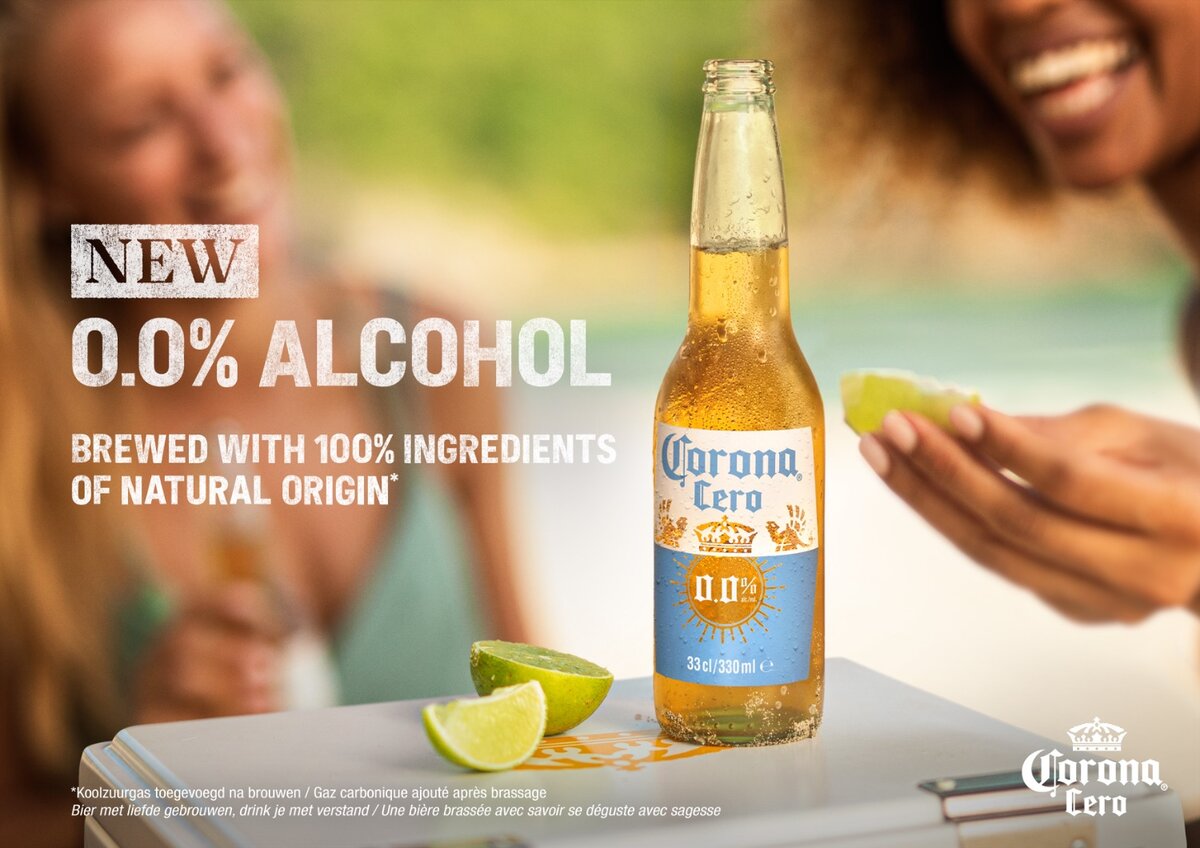
Corona Cero is among the products gaining volume. During the first nine months of 2026, the brand’s sales volume in Belgian supermarkets increased by more than 10%, according to the company figures cited by Buurtsuper. That performance shows that growth is being spread across multiple beer styles and brands rather than being confined to a single alcohol-free lager proposition.
Brewing technology broadens the product range
AB InBev is continuing to invest in innovation and technology intended to improve the flavor and quality of alcohol-free beer. At its research and development center in Leuven, the brewer is working on new brewing and fermentation techniques. These methods make it possible to produce beer with a low alcohol content without removing the alcohol after brewing.
The technical approach matters because taste and consistency are important barriers to repeat purchases in the category. Improvements that bring alcohol-free products closer to conventional beer could support higher household penetration and give retailers a broader selection across lager and specialty-beer shelves. They may also help brewers extend established brands without relying solely on separate products created for the alcohol-free segment.
AB InBev also sees growth potential in low-alcohol beers containing between 0.5% and 3.5% alcohol. This range could occupy a position between fully alcohol-free products and conventional beer, giving consumers more choice in alcohol strength. For producers and retailers, that creates an opportunity to build a wider portfolio, but it also adds complexity to assortment planning and category communication.
The 2026 supermarket data show that alcohol-free beer is already contributing disproportionately to Belgian market growth. The next test will be whether brewers can convert strong annual expansion into a larger and durable share of beer consumption. Belgium’s 6.7% share, set against 12.6% in the Netherlands, provides both a benchmark and a measure of the remaining commercial opportunity.