AIREI Opens Second AI-Enabled Palm Oil Mill in Malaysia With 60-Tonne Hourly Capacity
AIREI has deployed its second AI-enabled palm oil mill system in Malaysia at PMC Oil Mill in Teluk Intan. The 60-tonnes-per-hour operation has recorded lower oil losses, a 0.1-0.2 percentage-point increase in oil extraction rate and reduced reliance on foreign operators.
A larger deployment in Perak
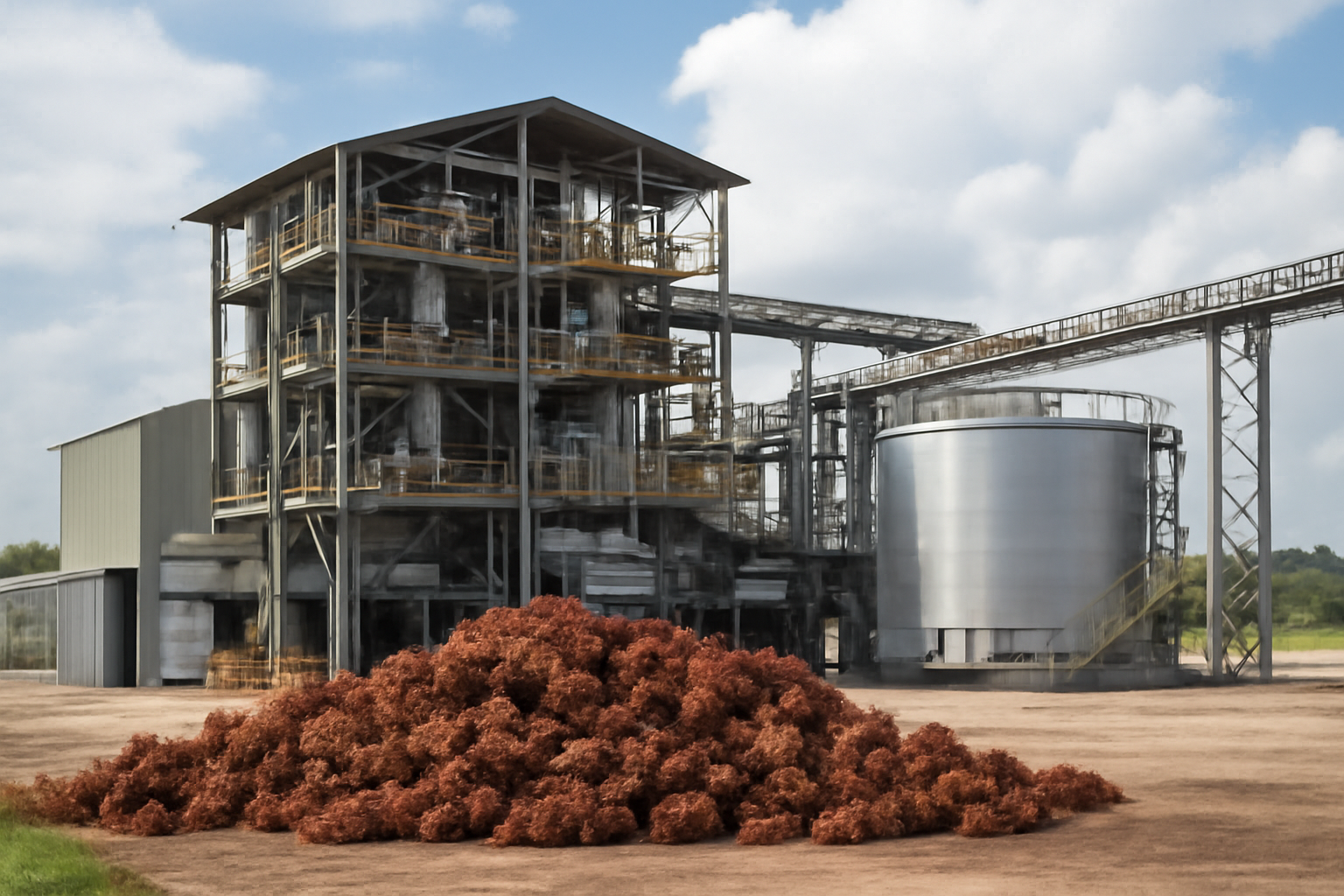
Malaysia Digital-status company AIREI Sdn Bhd has launched its second AI-enabled smart palm oil mill, expanding the processing capacity covered by its technology from 45 tonnes per hour at its first mill to 60 tonnes per hour at the new deployment. The launch took place at Perak Motor Co’s PMC Oil Mill in Teluk Intan, Perak, Bernama reported.
The project uses AIREI’s proprietary AI system and introduces a new collaboration with the Malaysia Digital Economy Corporation, or MDEC. AIREI said the partnership broadens the discussion from a company-led innovation project to the potential national role of AI in Malaysia’s palm oil industry.
Steven Yow Thin Chin, managing director of AIREI Perak Motor’s palm oil mill division, said the larger implementation came less than two years after the company launched what it described as the world’s first AI-based smart palm oil mill. In his assessment, the increased scale and support from Malaysia’s digital agency indicate that the system is moving beyond proof-of-concept testing toward routine mill operations.
Extraction gains and lower oil losses
The main performance measure is the oil extraction rate, or OER. According to AIREI, the system raised OER by between 0.1 and 0.2 percentage points. The company also reported a 13% reduction in oil loss from mesocarp on a wet basis at the press station.
AIREI attributes the gains to automated monitoring and decision-making that reduce human error and replace operating choices previously based on estimates or assumptions. The system identifies production anomalies, analyses their root causes, makes corrections and keeps processes within agreed milling parameters.
The technology also standardises operating procedures by applying approved parameters and standard operating procedures consistently. A centralised AI control system gives management a clearer view of mill performance, allowing operational problems to be identified and addressed more quickly.
Labour use and investment case
During the first month of implementation, the mill reduced its dependence on foreign operators by 20%, according to AIREI. The company expects that reduction to reach 40%. No absolute workforce figures or timetable for reaching the higher target were disclosed.
MDEC chief executive Anuar Fariz Fadzil said wider adoption of digital technology and AI could benefit palm oil, which Malaysia regards as a strategic commodity. He said the PMC Oil Mill project demonstrates the potential to improve operating efficiency, optimise resources and increase production results. MDEC is linking such projects to Malaysia Digital 2030 and the country’s ambition to become an AI nation by 2030.
AIREI said mills considering similar systems could achieve a return on investment within 18 to 20 months, although implementation costs depend on mill capacity. The company did not disclose the investment in the Teluk Intan project or provide the financial assumptions behind the payback estimate.
Interest beyond Malaysia
AIREI said palm oil producers in Indonesia and Thailand are monitoring the technology, while companies in Mexico and Colombia have also shown interest as oil-palm cultivation expands in Latin America. Several parties in those markets have begun exploring comparable AI-based models, according to the company.
The development could create two commercial channels for Malaysia: more efficient domestic palm oil processing and the sale of milling technology and technical expertise abroad. However, broader adoption will depend on whether the extraction and labour results can be repeated across mills with different capacities, equipment and feedstock conditions.
Representatives of MDEC, the Malaysian Palm Oil Board, industry partners and Universiti Tunku Abdul Rahman attended the launch. Discussions included potential collaboration and industrial training opportunities at AI-enabled smart mills. AIREI, which is based in Malaysia and India, develops systems involving big-data analytics, AI, supply-chain traceability, Hyperledger Fabric blockchain and customised robotics.