AI boom raises device costs as chip capacity shifts toward data centers
AI infrastructure demand is redirecting semiconductor capacity toward high-performance data centers, raising component costs and limiting configurations for smartphones, notebooks, PCs and gaming devices. NIQ expects higher prices and occasional delays rather than a repeat of the broad supply crisis seen in 2020.
Data centers compete with consumer devices for components
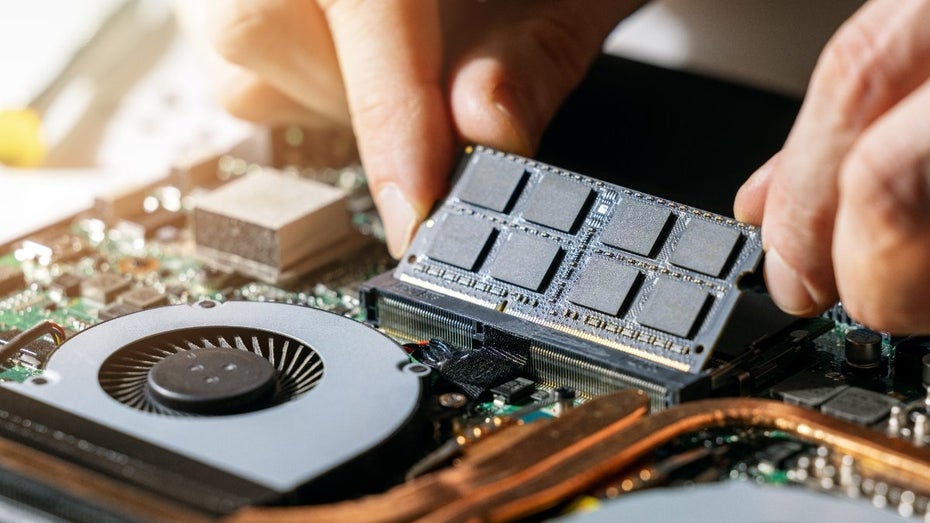
The global artificial intelligence boom is beginning to affect the price and availability of consumer electronics. According to t3n, semiconductor manufacturers are directing more production capacity toward chips and fast memory modules for high-performance data centers. That shift is making modern processors and memory harder to secure for smartphones, notebooks, personal computers, gaming hardware and consoles.
Market data presented by NIQ for the IFA trade fair indicate that the pressure is strongest in product categories requiring substantial computing power. Device manufacturers are responding by concentrating production on configurations with the broadest demand, particularly models offering 256 or 512 gigabytes of storage. The result is a narrower range of models, higher prices and fewer inexpensive entry-level products.
NIQ industry expert Alexander Dehmel does not expect a market-wide breakdown comparable with the supply crisis of 2020. However, he said buyers should prepare for noticeable additional costs. Devices combining high computing performance with large memory capacity may become more expensive or face temporary waiting periods, even if the market avoids a general halt in deliveries.
Demand shifts beyond computers and smartphones
The IFA market picture also shows how weather and changing consumer habits are redirecting electronics spending. Nearly 300,000 mobile air-conditioning units were sold in Germany in June, an increase of 122% from the same month a year earlier. Early-summer heatwaves provided an immediate sales stimulus. Dehmel said German household penetration remains low by international standards, leaving room for demand to increase further in coming years.
Personal health technology is another area of growth. German retail sales of wearables generated almost €400 million in the first half of the year, while unit sales rose 4.2% to around 1.8 million devices. Improved sensors and AI-supported analysis are turning these products into health-monitoring tools for sleep, heart rate, stress and blood oxygen saturation.
Smart rings and glasses expand from a small base
Smart rings were among the fastest-growing categories. In the first half of 2026, unit sales increased 122.7% and revenue rose 86.6%. With an average selling price of about €290, the devices are developing into a less conspicuous alternative to smartwatches.
Smart glasses equipped with audio, cameras and AI functions are also moving beyond a narrow niche. German unit sales more than tripled in the first half, rising from just under 3,500 to more than 12,000 devices. Privacy concerns surrounding integrated cameras remain the main obstacle to wider adoption. At the same time, international manufacturers at IFA are presenting humanoid robots and advanced assistance systems designed for household, care and industrial applications. Generative AI and sensitive sensors are helping these machines learn increasingly complex gripping, assembly and human-interaction tasks, extending competition for advanced electronic components into another emerging product category.