Agra Potato Center Seeks South Asian Research Hub Role
A meeting at the International Potato Center in Agra focused on making the facility a principal South Asian hub for potato and sweet-potato research. The plan prioritizes moving new cultivation technologies from laboratories directly to farmers.
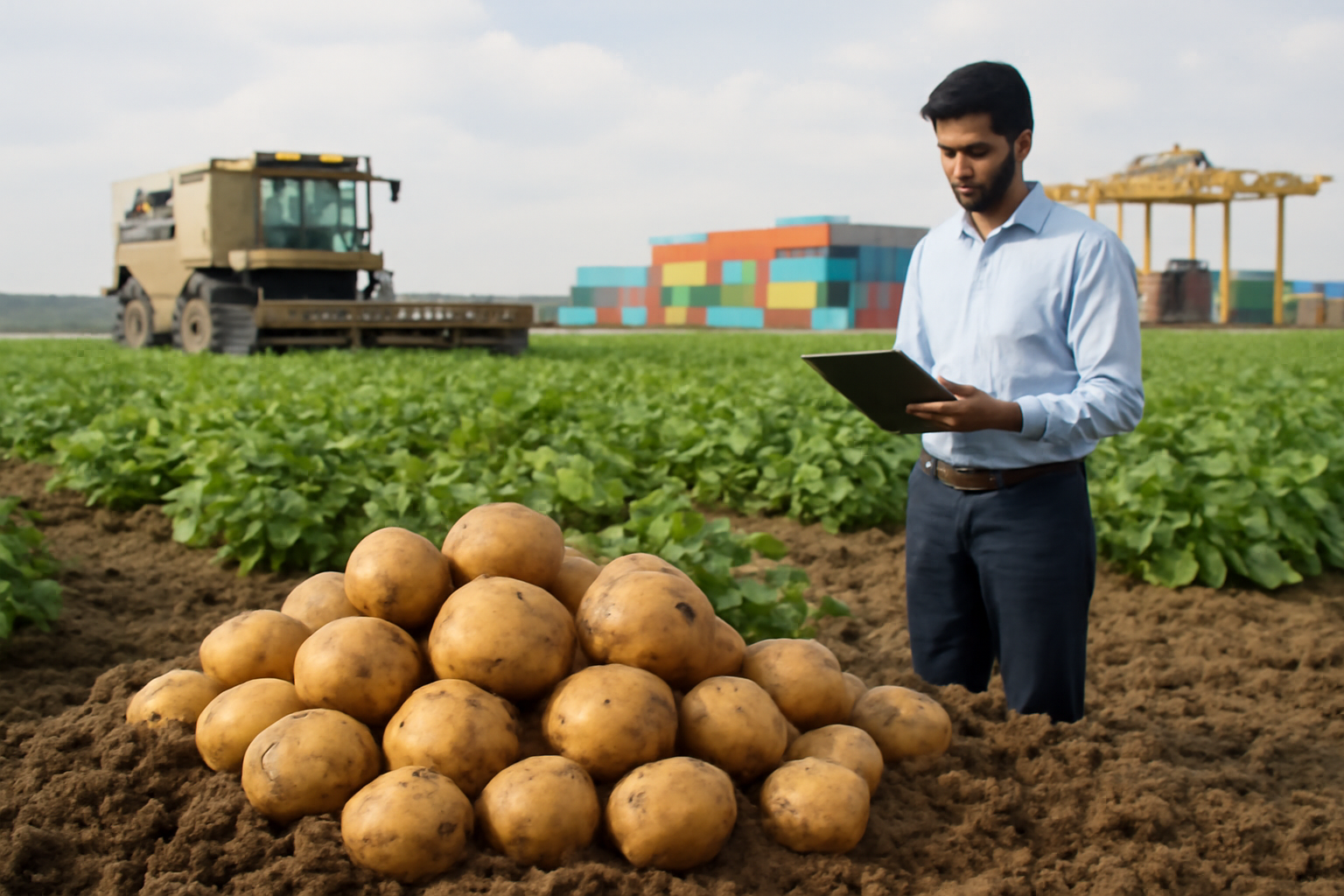
Agra sets out a regional research ambition
The International Potato Center in Agra is seeking a larger role in agricultural research across South Asia. At a key meeting held at the center, participants discussed making Agra a principal regional hub for research into potatoes and sweet potatoes. The initiative places the city at the center of an effort to connect scientific work with cultivation in the field.
The available information does not identify the participants, provide a timetable or specify the funding, facilities or additional research capacity required. It nevertheless establishes two clear priorities: creating a research base serving South Asia and ensuring that new cultivation technologies reach farmers rather than remaining confined to laboratories.
Technology transfer moves to the foreground
The meeting’s emphasis on direct delivery to farmers makes technology transfer a central part of the proposed role. Under that approach, the value of research would be measured not only by laboratory results but also by whether cultivation methods can be applied by growers. The plan therefore links researchers and farmers within the same regional program.
For producers, the practical issue will be how new methods are communicated and introduced at farm level. The source material does not describe individual technologies, expected productivity gains or target areas. It also gives no figures for the number of farmers who could participate. Those details will be necessary to assess the program’s eventual scale, cost and commercial significance.
Potato and sweet-potato work under one platform
The proposed hub would cover both potato and sweet-potato research. Bringing the two crops into a South Asia-focused platform could give researchers a common base for developing and transferring cultivation practices. The available account, however, does not indicate whether the center will lead new trials, coordinate existing projects or expand partnerships elsewhere in the region.
The initiative is relevant to several groups in the agricultural chain. Farmers will focus on whether the technologies are practical and accessible. Producers of planting material and other agricultural inputs will watch for changes in recommended cultivation methods. Processors and traders will need evidence that any new practices can influence the consistency or availability of crop supply. No production, price or trade-flow estimates were provided at the meeting.
Implementation details will determine the reach
The decision to take technology beyond the laboratory sets a clear direction, but implementation remains the decisive test. A regional research hub requires a pathway through which findings can be demonstrated, explained and adopted. Based on the information released, no mechanism for that transfer has yet been detailed.
Further announcements will need to clarify the center’s geographic coverage, operating structure and farmer-engagement model. Timelines, budgets, named partners and measurable targets would also allow producers and market participants to judge progress. Until those elements are disclosed, the Agra initiative is best understood as a stated regional ambition: to make the center a focal point for potato and sweet-potato research and to place farm-level use at the heart of its work.