Agra cold stores face pressure as 2 million potato sacks remain unsold
Around 80% of the potatoes stored across 18 cold stores in Agra district remain in inventory after five months of slow withdrawals. Prices have fallen to ₹250-300 per sack, while the next crop is expected in three months.
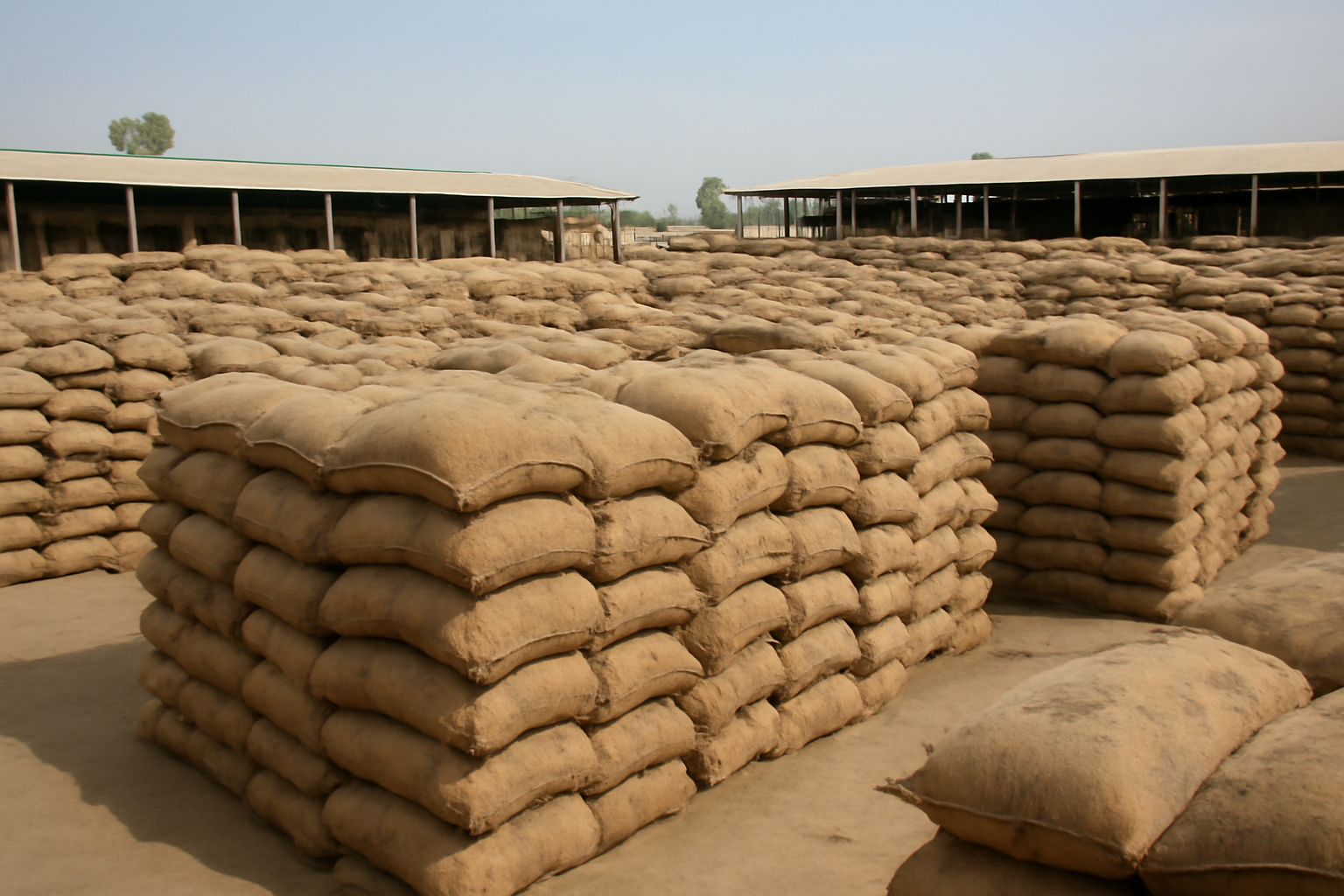
Withdrawals reach only 20-22%
Cold-storage operators in Agra district are struggling to clear a large potato inventory before the next crop arrives. Hindustan reported that about 2.5 million sacks were originally placed in 18 cold stores, but only 20-22% of the potatoes have been withdrawn over the past five months. Around 80% of the stock, equivalent to roughly 2 million sacks, therefore remains in storage.
The figures were presented at a meeting of the District Cold Storage Association. Its president, Arun Maheshwari, said operators have only three months before the arrival of the new potato crop. If the current inventory is not cleared during that period, storage owners could face substantial losses and have less room available for newly harvested potatoes.
Low prices discourage sales
Potato prices at cold stores have fallen to ₹250-300 per sack, according to Hindustan. Storage operators said that level is well below farmers’ production costs. Cold-storage rent and transport to wholesale markets add further expenses, making withdrawals and immediate sales financially unattractive for growers.
Farmers have consequently kept potatoes in storage while waiting for a price recovery, association representatives said. That strategy may protect them from realizing an immediate loss, but it also slows the release of stocks and concentrates more supply into the short period before the new harvest. The remaining inventory could continue to weigh on local prices if many owners attempt to sell at the same time.
Food and seed stocks compete for time
About 25% of the potatoes held in storage are normally used as seed, the association said. With roughly 80% of the original volume still inside the facilities, operators estimate that potatoes equivalent to about 50% of the initial stock and intended for food consumption remain stuck. Clearing that volume within three months presents the main challenge for farmers, traders and storage businesses.
The situation creates different risks across the regional supply chain. Farmers must decide whether to accept current prices or continue paying storage-related costs in the hope of a rebound. Traders may gain access to cheaper supplies, but a concentrated release could depress prices further. Cold-store owners face both unpaid or delayed charges on the old crop and the operational problem of preparing space for the next intake.
Uttar Pradesh offers relief
The Uttar Pradesh government has introduced a relief program in response to the pressure, Hindustan reported. Farmers can receive a discount of ₹100 per quintal on storage charges, as well as a subsidy linked to the difference between the market price and production cost. Applications can be submitted through online registration.
The support may reduce the immediate cost of holding potatoes, but it does not by itself guarantee faster withdrawals. The pace of clearance will still depend on farmers’ selling decisions, demand for table potatoes and seed, and whether market prices recover before the new crop reaches storage. For Agra’s 18 affected facilities, the three-month window makes inventory turnover the central concern.