Afghanistan Now Makes About 90% of Its Gold Jewelry Domestically
Afghan workshops now manufacture about 90% of the gold jewelry sold in the country, according to the Kabul Goldsmiths Union. The expansion has displaced much of the finished jewelry previously imported from Arab countries, Iran, Pakistan and Turkey, although the industry has yet to establish exports.
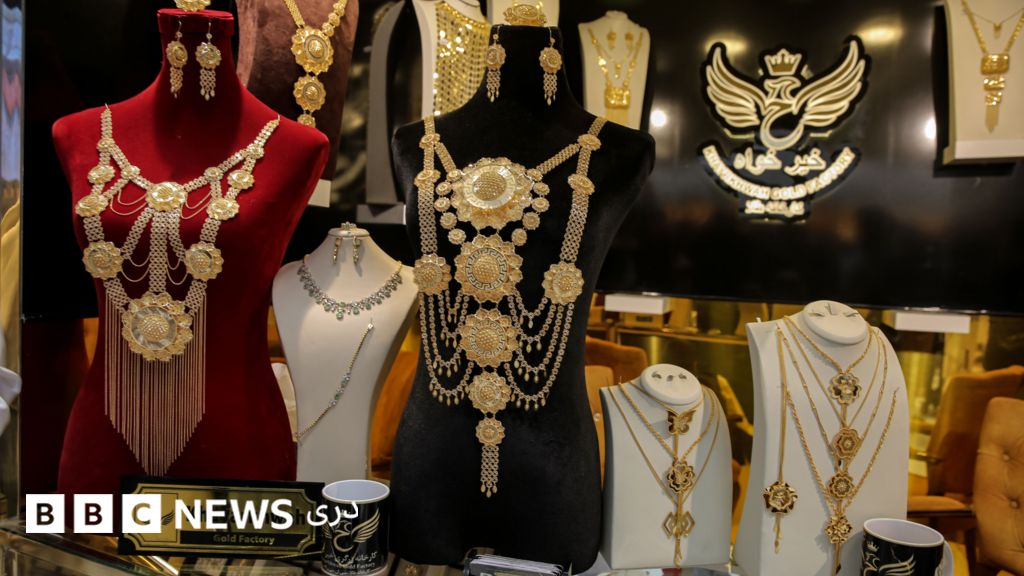
Local workshops take most of the market
Afghanistan now produces about 90% of its gold jewelry domestically, the Kabul Goldsmiths Union told BBC. The figure points to a major expansion of local manufacturing in an industry that previously depended heavily on finished jewelry supplied from abroad.
Most gold jewelry sold in Afghanistan once came from Arab countries, Iran, Pakistan and Turkey. Domestic products now account for the majority of the market, changing the competitive position of foreign suppliers and giving Afghan goldsmiths a much larger role in meeting local demand.
Zabihullah Habib, an official at the Kabul Goldsmiths Union, told BBC that Afghanistan had made substantial progress in domestic jewelry production. He added, however, that the conditions needed to export this jewelry to foreign markets had not yet been established.
Industry employs about 100,000 people
The reported manufacturing growth was highlighted at Afghanistan’s first gold and jewelry industry exhibition, held in Kabul last week. Goldsmiths, traders, industry enthusiasts and officials from the Taliban government attended the event, making it a showcase for an industry seeking greater recognition at home and abroad.
Nooruddin Azizi, the Taliban government’s minister of industry and commerce, said at the exhibition that about 100,000 people work in Afghanistan’s gold and jewelry industry. He called for the creation of a distinct Afghan brand in global gold markets and said businesses should be able to offer their products internationally under Afghanistan’s name.
Brand recognition remains a practical obstacle. Some goldsmiths previously told BBC that locally made pieces, despite capturing most of the domestic market, are sold under labels associated with Iranian, Arab, Bahraini, Singaporean, Egyptian and Algerian gold. They said customers do not trust the description “Afghan gold,” possibly because of concerns about quality, even though gold purity can be tested regardless of where an item is manufactured.
Import needs shift toward raw material
The rise of local workshops implies a reduced requirement for imported finished jewelry, particularly from the countries that traditionally supplied the Afghan market. It does not remove Afghanistan’s need for gold itself: manufacturers must still obtain sufficient raw or semi-processed metal to support production. The source did not provide figures on gold supply, workshop capacity, output by weight or the value of displaced imports.
Domestic demand also faces pressure from higher gold prices. Gold has a prominent place among many Afghans, particularly women, both as an investment and as a symbol of wealth and social position. Purchases for weddings, especially jewelry for brides, remain a common and sometimes essential custom, but rising prices have made gold harder for many families to afford. For producers and traders, future growth will therefore depend not only on manufacturing capacity but also on consumer purchasing power, confidence in Afghan branding and the creation of channels for exports.