Afghan carpets now exported to 37 countries as international reach expands
Afghanistan-made carpets are now exported to 37 countries, according to the national industry association. Exporters cite high-quality wool, traditional designs and domestic production as the main strengths supporting their international reach.
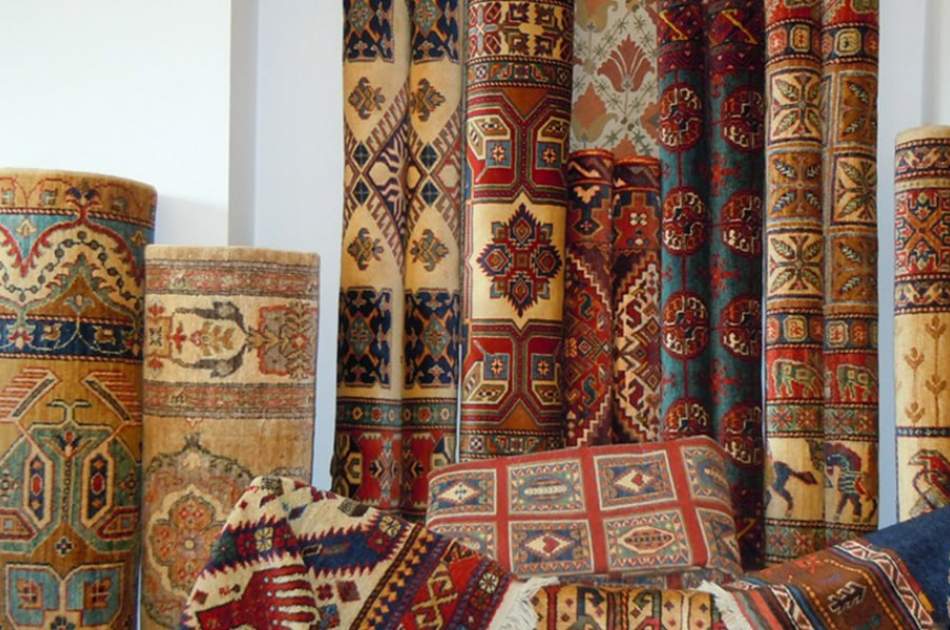
Afghan carpets reach 37 export markets
Carpets produced in Afghanistan are now exported to 37 countries, broadening the international presence of one of the country’s best-known traditional products. Abdullah Rahman Qol, head of Afghanistan’s carpet producers and exporters union, disclosed the market count, according to AVA Press.
The reported reach shows that Afghan carpet suppliers have established buyers across a diverse group of foreign markets. The available information does not identify the 37 destinations or provide export values, shipment volumes, growth rates or a comparison with previous periods. It therefore indicates the breadth of market access rather than the financial scale or recent pace of the trade.
Wool quality and traditional designs support demand
Industry representatives attribute the carpets’ international appeal to their high quality, authentic designs and use of natural wool. These characteristics position the product in a segment where material, craftsmanship and visual identity can matter more than standardized mass production.
For overseas importers, the combination offers access to a differentiated consumer product associated with Afghan weaving traditions. Product consistency remains important, however. Buyers assessing new supply relationships will need clear information on dimensions, wool composition, knot density, colors, finishing and delivery capacity. None of those specifications was detailed in the report, and no individual producer or exporter was identified.
The emphasis on wool also links carpet exports with Afghanistan’s domestic livestock and textile value chains. Locally sourced raw material can help preserve the product’s origin and distinctive character. At the same time, importers require reliable documentation covering materials, production methods and the declared origin of each shipment, particularly when selling carpets as premium or handmade goods.
Market breadth creates opportunities and execution risks
Access to 37 countries reduces dependence on a single destination in principle, but the distribution of sales among those markets remains unknown. A broad destination count does not show whether exports are balanced or concentrated in a small number of major buyers. Importers and market analysts will need country-level trade data to assess where demand is strongest and how stable the export base is.
Traditional designs may help Afghan suppliers compete through differentiation rather than price alone. This can be valuable in markets where consumers buy carpets for durability, craftsmanship or cultural identity. Exporters may also benefit from adapting sizes, colors and collections to local preferences while retaining the designs and natural materials that distinguish Afghan production.
International expansion still depends on practical trade conditions. Freight arrangements, transit routes, customs procedures, payment channels and predictable delivery schedules all influence whether overseas retailers and wholesalers can order consistently. The source material provides no information on logistics, prices, tariffs or lead times, so the commercial competitiveness of Afghan carpets cannot be measured from the market count alone.
The presence of Afghan carpets in 37 countries nevertheless demonstrates an established international channel for the sector. Further disclosure of destination markets, export revenue and shipment volumes would allow buyers and analysts to distinguish between geographic reach and sustained commercial growth. For now, quality wool and traditional design remain the industry’s stated advantages as producers seek a larger place in global carpet trade.