Adverse weather cuts Panama’s milk output to 162 million liters
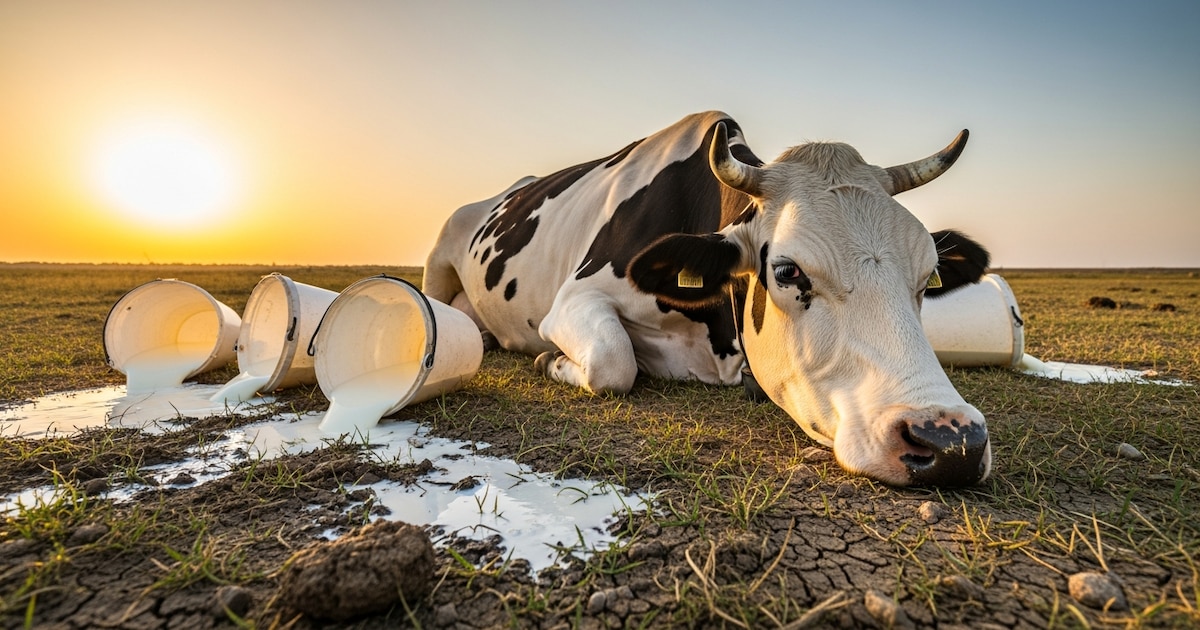
Panama produced 162 million liters of milk through June, down from 165 million liters in the same period a year earlier. Heat and drought reduced pasture and water availability, while imported mozzarella and rising input costs added pressure on dairy farmers.
Milk supply falls by 3 million liters
Panama’s national milk production reached 162 million liters through June, down from 165 million liters in the same period a year earlier, Infobae reported. The decline of 3 million liters amounts to about 1.8% year on year and reflects mounting pressure on dairy farms from adverse weather and persistent industry constraints.
The total comprised 87 million liters of grade A milk, 9 million liters of grade B and 66 million liters of grade C. Approximately 2,732 producers supplied this volume. The figures show that grade A accounted for more than half of national output, while grade C represented another large share of the raw milk pool available to processors.
Heat and drought strain leading dairy regions
Agricultural authorities attributed the first-half contraction to high temperatures and periods of drought in key provinces, including Chiriquí and Los Santos. The conditions reduced the availability of pasture and water, directly affecting livestock feeding and farm productivity. Chiriquí remains the country’s leading milk-producing province and accounts for more than 70% of output, according to the report.
Infobae also reported that Coclé, Veraguas and Los Santos follow Chiriquí, and that these regions together contribute close to 50% of total volume. That figure is not compatible with Chiriquí’s reported share of more than 70%, and the source does not reconcile the two estimates. The concentration nevertheless indicates that weather in a limited number of provinces can have a substantial effect on Panama’s national milk supply.
Processed dairy output records a steeper decline
The sharpest contraction occurred in evaporated, condensed and powdered milk. Production of these categories stood at 1.7 million kilograms during the first two months of the year, compared with 3 million kilograms in 2025. The source reported a cumulative decline of 40.9%. Fresh cheese production, including ground, pressed and mozzarella varieties, remained stable during the year, although imported products, particularly from the United States, displaced some domestically produced mozzarella.
Higher input costs and competition from imports remain additional challenges for local producers. Panama is promoting technology upgrades and stronger technical knowledge in dairy farming, according to the Panamanian Association of Grocery and Related Goods Merchants and Distributors, or Acovipa. Agriculture Minister Roberto Linares said authorities were working with producers on measures to limit the expected impact of El Niño and protect domestic food supplies. Ministry projections indicate that milk production could recover in the second half of 2026 if weather conditions are less severe and rural infrastructure investment advances. Panama is also negotiating with neighboring countries to secure export channels and diversify markets for milk and dairy products, although no prospective destinations or trade volumes were disclosed.
Full market analysis