Advance Contracts Leave Serbian Sunflower Farmers Facing Below-Market Prices
Cash-strapped Serbian sunflower growers accepted advances of €150 per tonne before sowing without fixing a final purchase price. Gebi has since offered 48.6 dinars per kilogram, below prices quoted on the Novi Sad commodity exchange and in neighboring markets.
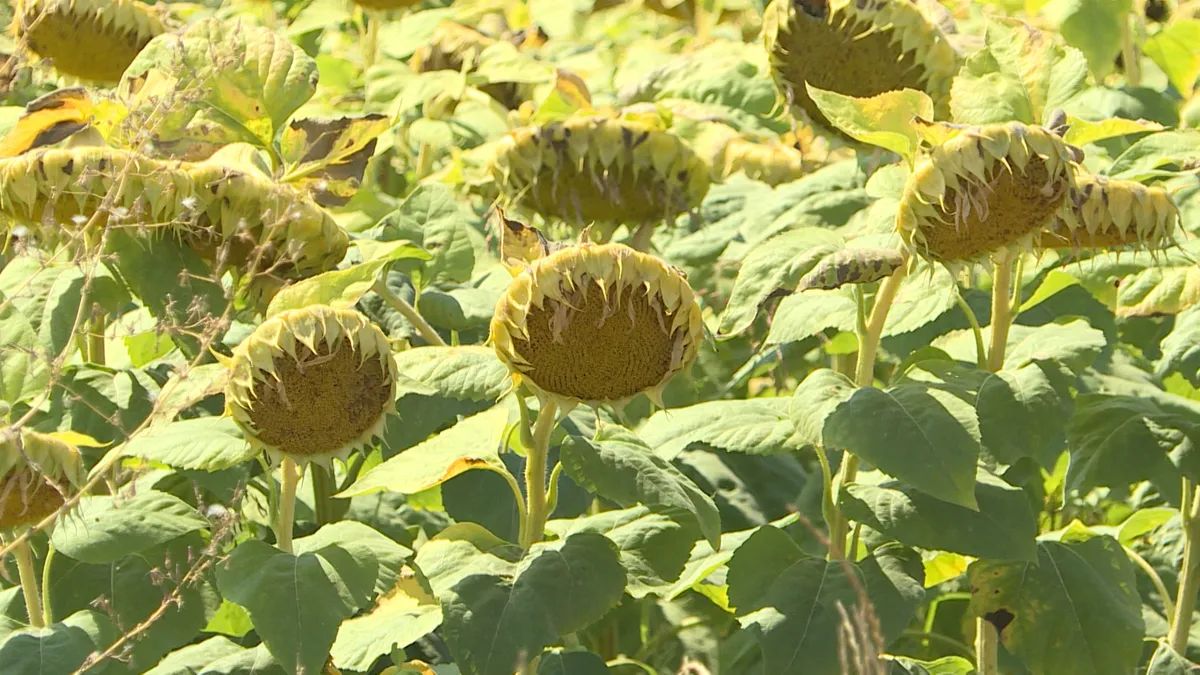
Advances agreed without a final price
Serbian sunflower growers who needed cash before spring sowing accepted advances of €150 per tonne from processors without agreeing a final purchase price. The arrangement has now become a source of sharp disagreement after Gebi, the first processor to publish a final offer, set its price at 48.6 dinars per kilogram.
Dejan Stanojević of grain trading company Intertim SRB told Beta, as reported by N1, that processors had promised to pay the eventual exchange price. He said the offer was nevertheless below the level on the Novi Sad Commodity Exchange, where sunflower was recently trading at 56–57 dinars per kilogram.
The difference is material for growers who financed planting through the advance. Gebi's price is 7.4–8.4 dinars per kilogram below the quoted Novi Sad range. Jovica Jakšić, president of the Independent Association of Farmers of Serbia, called the offer unacceptable and said producers lacked legal protection when processors declined to honor their earlier promise.
Transport and storage narrow farmers' options
The growers' bargaining position has also been weakened by logistics. According to Stanojević, low water levels on the Danube have made exports more difficult, while sunflower cannot currently be dispatched by rail. Limited access to alternative buyers allows domestic processors to offer lower prices.
Many producers also lack suitable storage for sunflower seed and therefore have to deliver it soon after harvest. That combination—restricted exports, no rail option and inadequate storage—reduces their ability to wait for a better price. Stanojević also pointed to the absence of a strong producer organization capable of representing growers in negotiations with processors and the government.
Regional comparisons underline the discount. Stanojević put the Hungarian exchange price at about 64 dinars per kilogram. He cited prices of 52.2 dinars in Croatia, 55.6 in Romania, 60.9–64.5 in Italy depending on quality, 68.9–69.6 in France and 62.9–81.8 in Turkey. Each reported level exceeds Gebi's 48.6-dinar offer.
Contract rules exist but enforcement is questioned
Agroanalyst Žarko Galetin described Serbia's market as unregulated and its laws as ineffective. The Law on the Organization of the Market in Agricultural Products requires a written contract between a farmer and a processor or buyer before delivery. It also permits recognized producer organizations to negotiate supply contracts on behalf of their members, while the agriculture minister is responsible for specifying the contracts' basic elements.
The dispute suggests that those provisions have not produced detailed commercial terms in practice. Stanojević contrasted Serbia with Hungary and other European markets, where contracts specify price, quality, moisture, impurities and oil content. Agriculture Minister Dragan Glamočić said after a meeting between growers and processors on September 10 that the two sides have different interests and that the final price is determined by the market. For Serbian growers, however, the immediate issue is which market benchmark applies when an advance was accepted but the final price was left open.