A Coruña port traffic nears historic peak as Langosteira draws new investment
A Coruña handled close to its historic peak in recent years after traffic increased tenfold between 1962 and 2025. Repsol remains the port’s anchor customer, while investment at Punta Langosteira targets offshore wind, green hydrogen and new industrial cargoes.
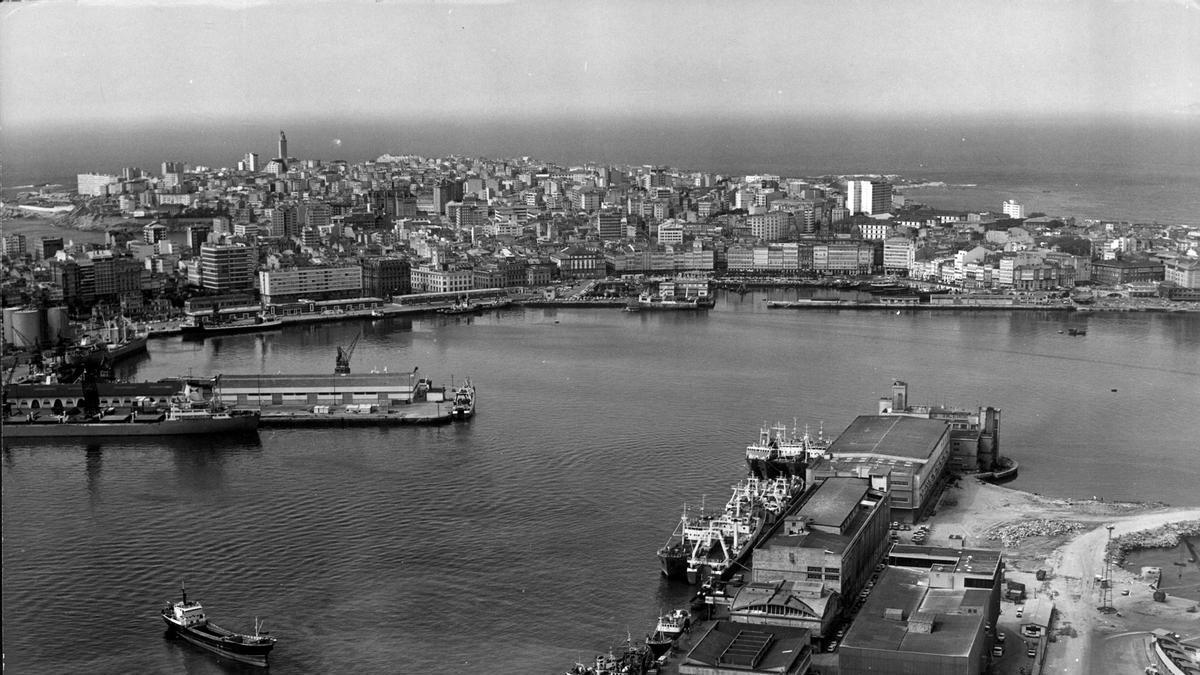
Traffic grows tenfold since 1962
Traffic through the Port of A Coruña increased tenfold between 1962 and 2025, outperforming growth across Spain’s state-owned port system by 63%, according to La Opinión A Coruña. The port handled slightly less than 1.2 million tonnes in 1962. Volumes reached 4 million tonnes in 1964, when the Repsol refinery opened, and climbed to 8.86 million tonnes in 1974.
Growth was interrupted by the oil crisis following the 1973 Yom Kippur War and by weaker economic conditions during Spain’s political transition and the early 1980s. Traffic subsequently rose from just under 7.4 million tonnes in 1983 to 12.5 million tonnes in 1989. A new record of almost 12.6 million tonnes followed in 1992, supported in part by steel-product traffic associated with Sidegasa and by the arrival of large terminal operators after dock labour was liberalised.
Energy and industrial cargoes reshape the mix
Liquid bulk volumes fell from more than 10 million tonnes in 1992 to 8.4 million tonnes in 1993 and 7.2 million tonnes in 2001. Francisco Peleteiro, secretary of the A Coruña Port Users Association, linked much of that decline to the 156-kilometre A Coruña–Vigo oil pipeline, which entered service in 1996 and displaced fuel movements between northern and southern Galicia.
The port nevertheless reached 14.5 million tonnes in 2005. Solid bulk exceeded 4.4 million tonnes, driven by coal and steelmaker Celsa, according to the Port Authority. Traffic fell during the 2008 recession but recovered to a record 15.7 million tonnes in 2018. Volumes have remained below 15 million tonnes since then. Even so, the 2022-2025 results rank among the strongest in the port’s history, despite the pandemic and the 2020 closure of the Meirama power plant, which eliminated its regular coal imports.
Langosteira investment targets diversification
Repsol remains the port’s main customer and plans to complete its move to the outer harbour at Punta Langosteira in 2027, backed by €140 million of planned investment. The company has also secured more than €170 million from the Spanish state for green-hydrogen facilities in the area that are intended to serve the refinery. Separately, the port has received close to €100 million in state funding to extend the outer-port quays by 450 metres and prepare land for offshore-wind factories. Much of Langosteira’s industrial land remains vacant, with proposed projects including an Ignis green-ammonia plant.
General cargo and containers offer another potential source of growth, although container traffic remains marginal and peaked at slightly fewer than 8,500 units in 2008. The Coruña Marítima redevelopment envisages retaining 1,600-2,000 metres of waterfront for fishing, around 1,500 metres for general cargo and possibly 1,200 metres for cruise ships. Cruise passenger numbers rose from just over 43,000 in 2004 to more than 400,000 in 2024 and 465,000 in 2025. The cargo outlook therefore still rests heavily on Repsol, but new energy projects and additional industrial capacity could broaden the port’s customer base.